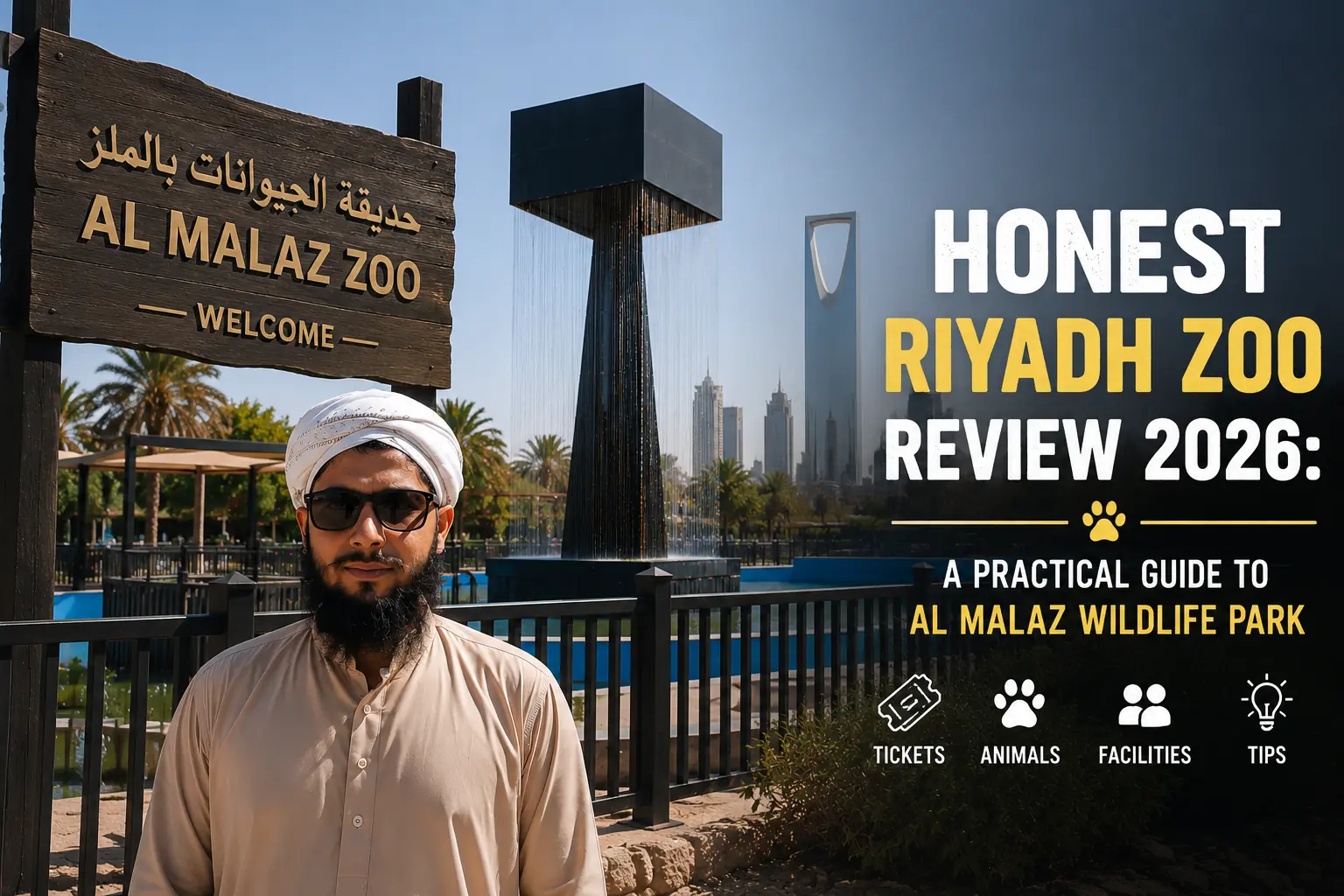
If you’re planning to visit one of Riyadh’s most iconic family attractions, the Riyadh Zoo in the Al Malaz district is a must on your list. With over 1,300 to 1,500 animals across 190 distinct species, this historic park — originally founded in 1957 — has seen major overhauls in recent years, blending modern entertainment with wildlife conservation.
But visiting an open-air wildlife park in the middle of Saudi Arabia requires strategic planning. I visited on July 10, 2026, to document exactly what expats and residents should expect before making the trip.
The Main Entrance: First Impressions
The zoo’s main facade is hard to miss — a dramatic arch topped with life-size animal sculptures including a giraffe, lion, zebra, and elephant. It sets the mood immediately.
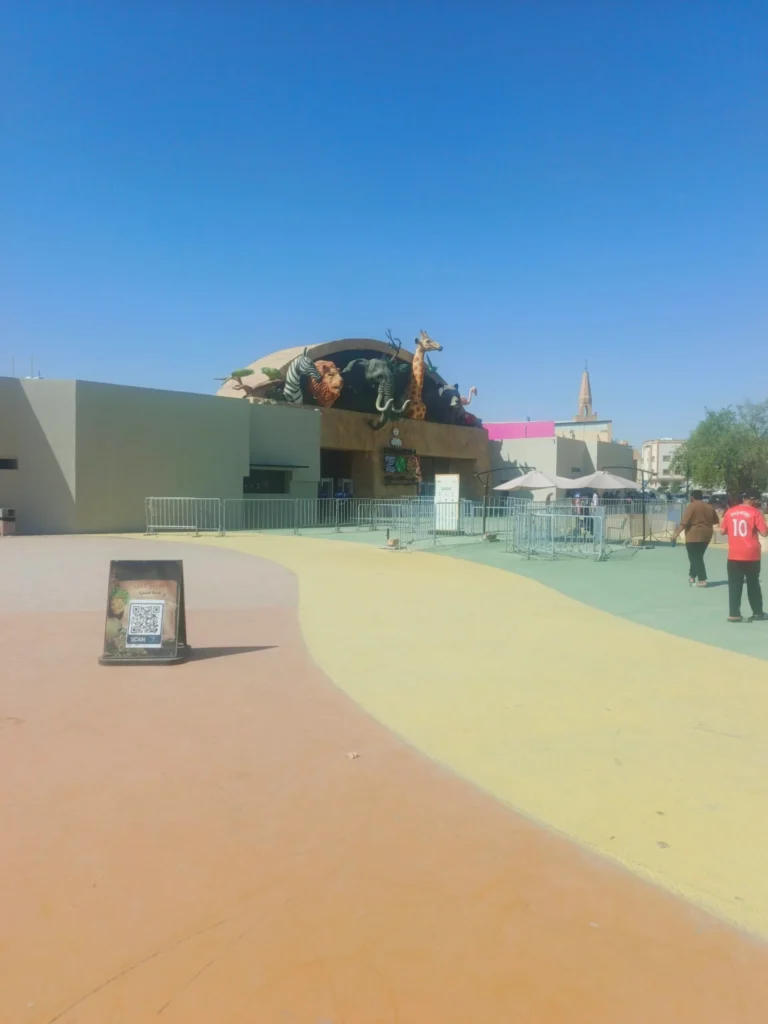
The entrance plaza is wide, clean, and well-organized. A QR code stand near the gate lets you scan for a digital map — smart addition for first-timers.
Tickets: Digital-Only, No Walk-Ins
One of the biggest surprises for newcomers: you cannot buy tickets at the gate. All entry passes must be booked digitally in advance.
My ticket was booked through the Seven7tickets platform. Cost: 10 SAR for one adult. The QR code on your phone is scanned at the entry gate — no printing needed.
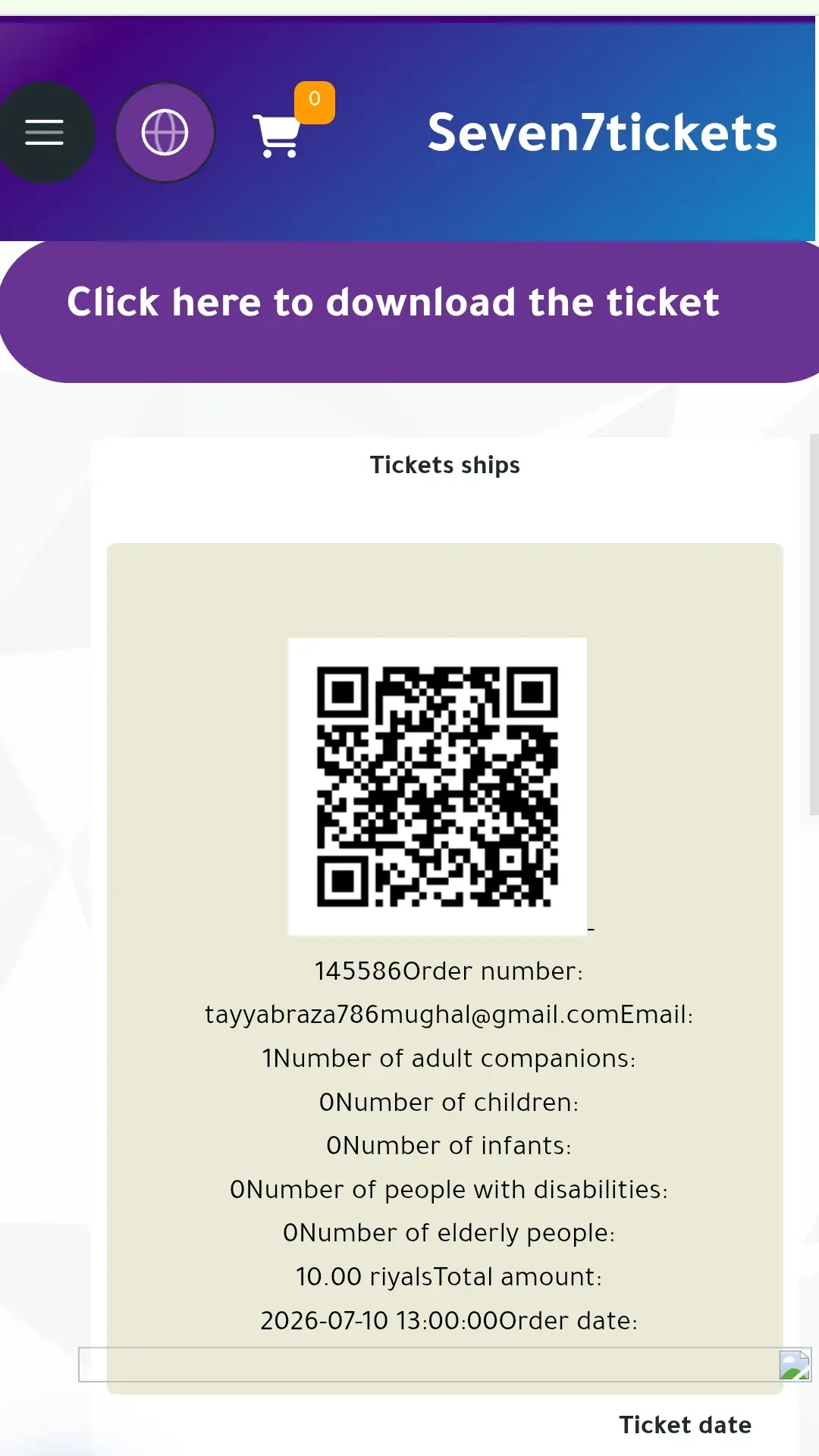
Available booking platforms include WeBook, Seven7tickets, and the National Center for Wildlife. Depending on the season or promotional windows, tickets can range from free admission vouchers to a nominal 10 SAR.
Pro tip: Screenshot your QR code before entering — phone signal inside can be weak near certain enclosures.
Getting Through the Gate
The entry process is well-managed. Metal detector walkthrough, QR scan, and you’re in. Queue moved fast even in July heat.
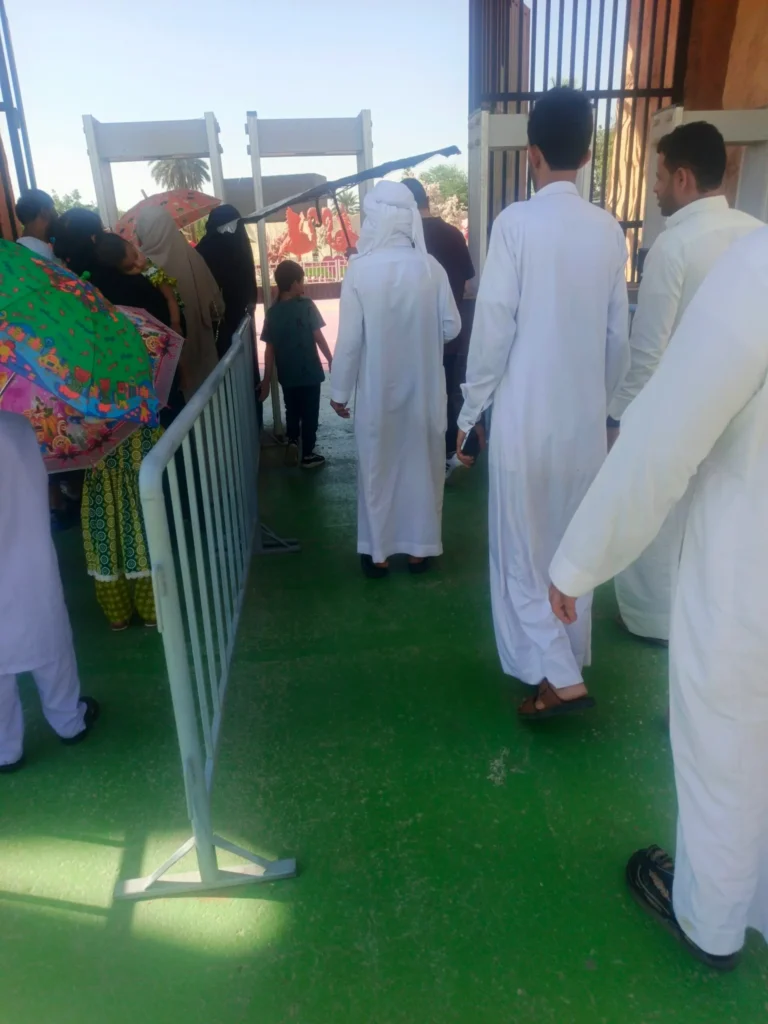
The pink-paved ground right after the gate gives you your first hint of what’s ahead — the Pink Lake flamingo zone.
Beating the July Heat: Practical Clothing Setup
Visiting in summer at 43°C–45°C is absolutely doable if you dress right.
Shalwar kameez + white shawl wrapped as a head and shoulder cover. Sunglasses mandatory. This combo kept me comfortable for the full 2-hour walkthrough.
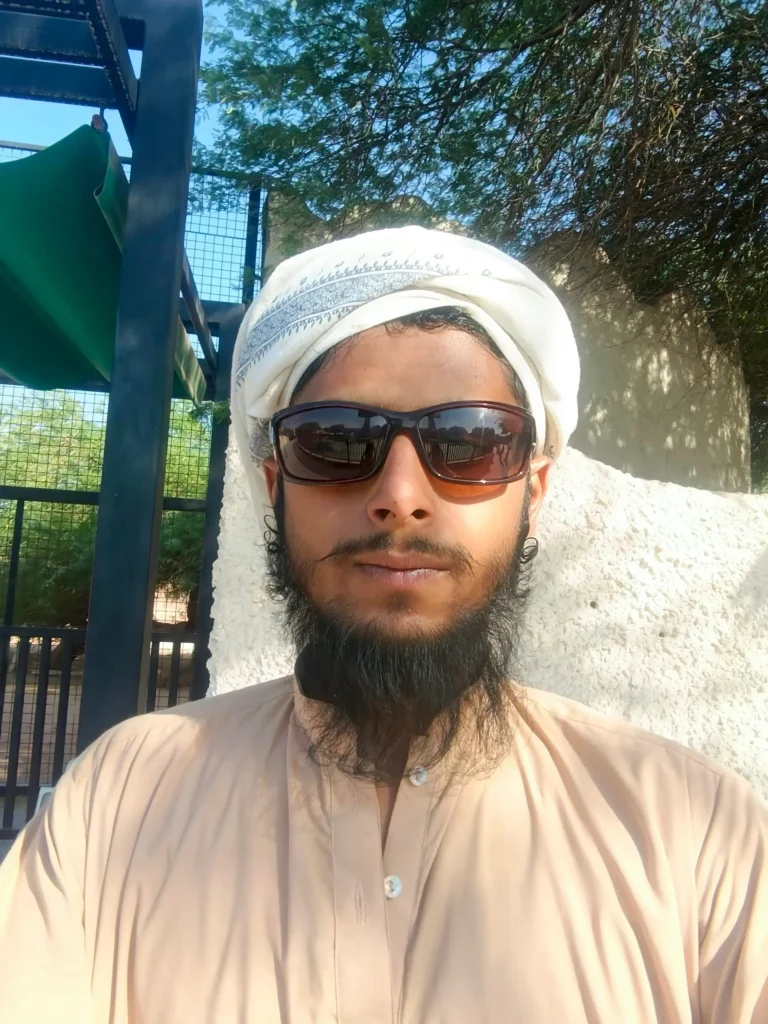
The key insight: cover the back of your neck and shoulders. Direct sun on bare skin is where the exhaustion hits first. A lightweight cotton shawl draped over the head and shoulders works better than a cap for full coverage.
Operating Hours
| Day | Hours |
|---|---|
| Saturday – Thursday | 8:30 AM – 5:00 PM (last entry: 4:00 PM) |
| Friday | 1:00 PM – 5:00 PM |
| Sunday | Closed (maintenance) |
Arrive no later than 2:30 PM if you want to complete all 6 zones.
Zone 1: Pink Lake — The Flamingo Entrance
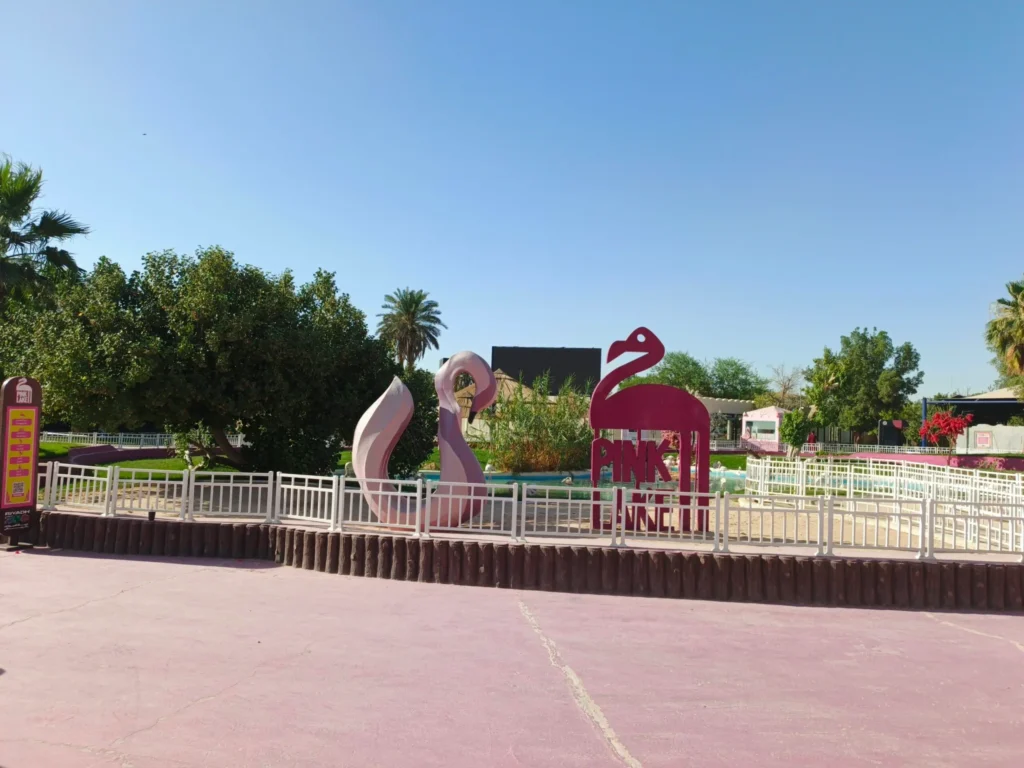
The Pink Lake zone greets you with giant flamingo installations, pink flooring, and real flamingos wading in the background. Perfect opening for families with kids.
The Pink Lake acts as the aesthetic gateway to the park. Bright, photogenic, and well-maintained. Real Greater Flamingos can be seen wading through the water channels behind the sculptures.
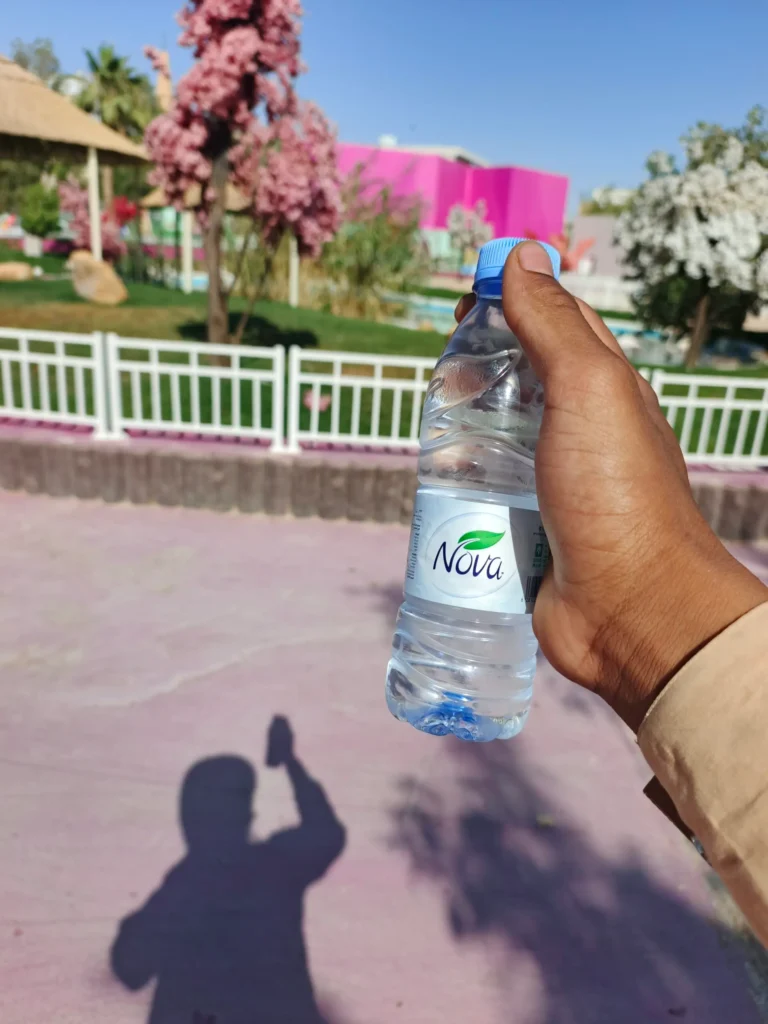
Hydration reminder: carry water. Nova bottles are available at kiosks inside for around 2–3 SAR. Outside food is technically restricted but a personal water bottle is always allowed through security.
Zone 2: The Swamp — Reptiles, Porcupines & Navigation Signs
The Swamp zone has clear bilingual (Arabic/English) directional signs pointing to White Lion, Tigers, Elephant Experience, Meerkat, Al Mashtal, and Hippo. Impossible to get lost.
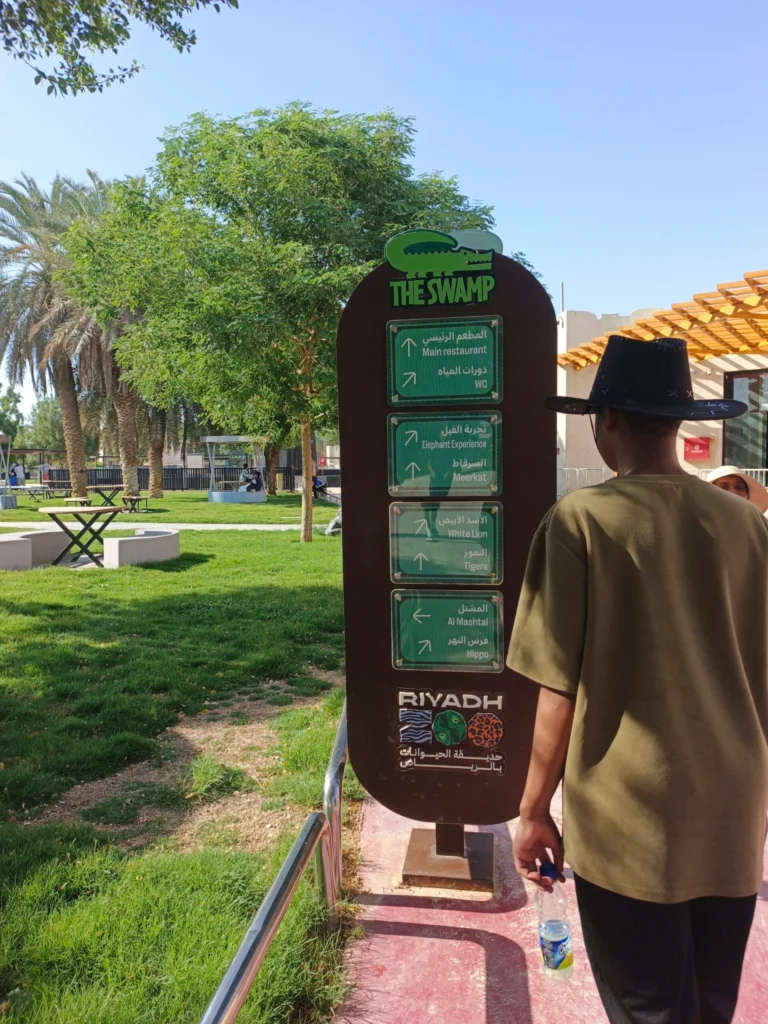
Adjacent to the flamingo area, The Swamp zone covers arid and wetland species in custom sand and stone enclosures.
Crested Porcupine
A Crested Porcupine keeping its quills flat and resting near its feeding trough during peak afternoon heat. Totally normal summer behavior.
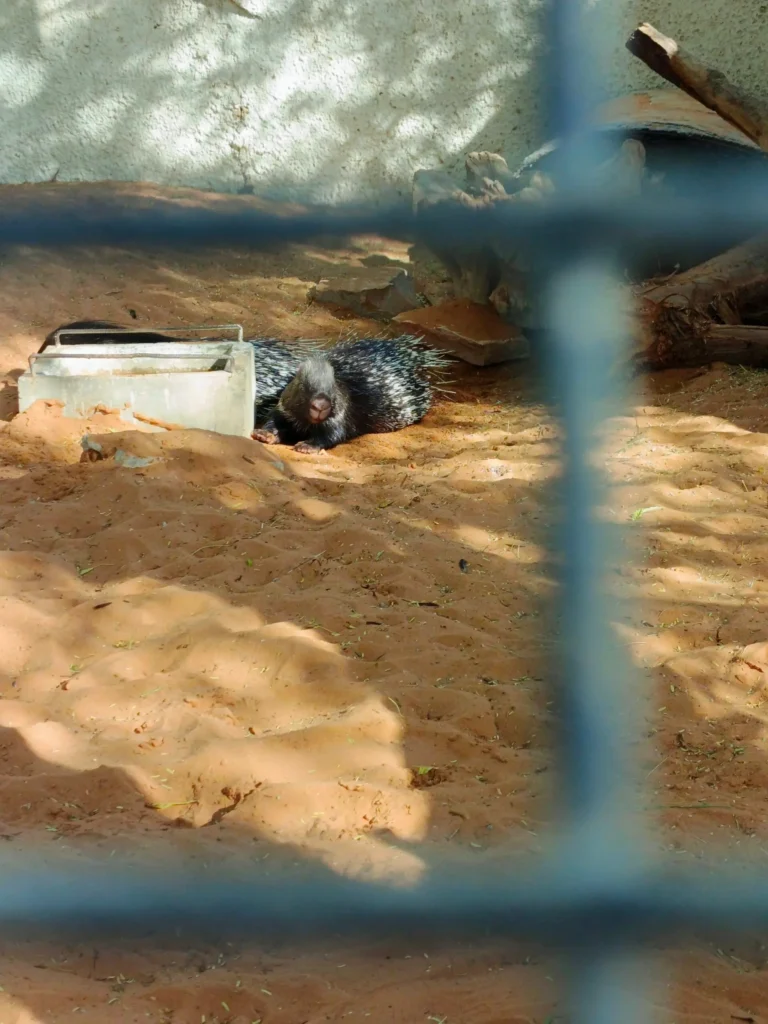
The Swamp zone’s educational placards are well-designed and bilingual. The porcupine placard reads: Scientific Name — Hystrix cristata | Lifespan — 12 to 20 years | Habitat — Dry forests | Conservation Status — Least Concern.
The Aviary Zones: Birds in Enclosed Habitats
The zoo has multiple enclosed bird sections — both open-roofed mesh aviaries and glass-fronted enclosures.
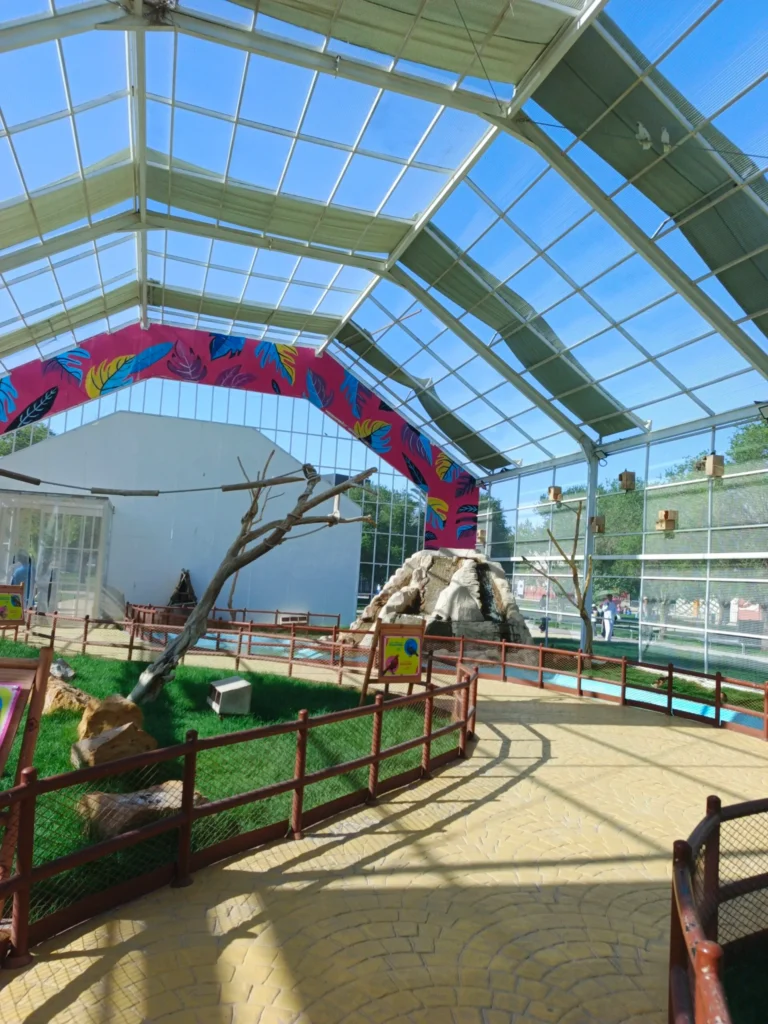
A large domed aviary with a dramatic tropical arch design. Cleaner and more spacious than typical zoo bird sections.
Small colorful birds (likely lovebirds or parakeets) scattered across the floor of a glass enclosure with natural branch perches. The glass walls allow clear viewing without disturbing the birds.
Primates: The Baboon Section
A Hamadryas Baboon — the Arabian Peninsula’s native primate — resting under a timber shade frame inside its enclosure. Plenty of fruit scraps visible on the enclosure floor from earlier keeper feeding.
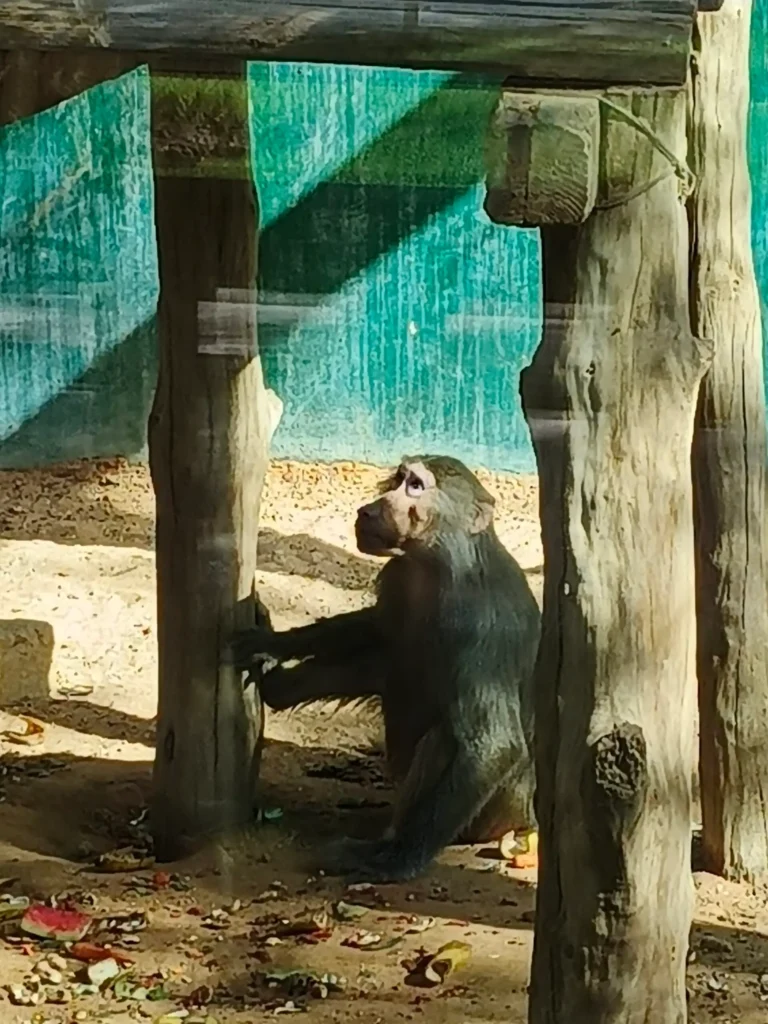
The baboon enclosure is one of the more active sections if you visit early morning. By afternoon, they retreat to shade just like every other species.
The Big Cats: Lions Up Close
The big cat area is the emotional peak of the visit for most people.
African Lions
A male African lion with a full dark mane resting in the afternoon heat, facing away from the viewing fence. Heat = zero interest in visitors.
Same lion, slightly different angle — you can see the jaw open, panting to regulate body temperature. Lions lack sweat glands across their skin, so open-mouth panting is their primary cooling mechanism.
White Lions: The Rare Highlight
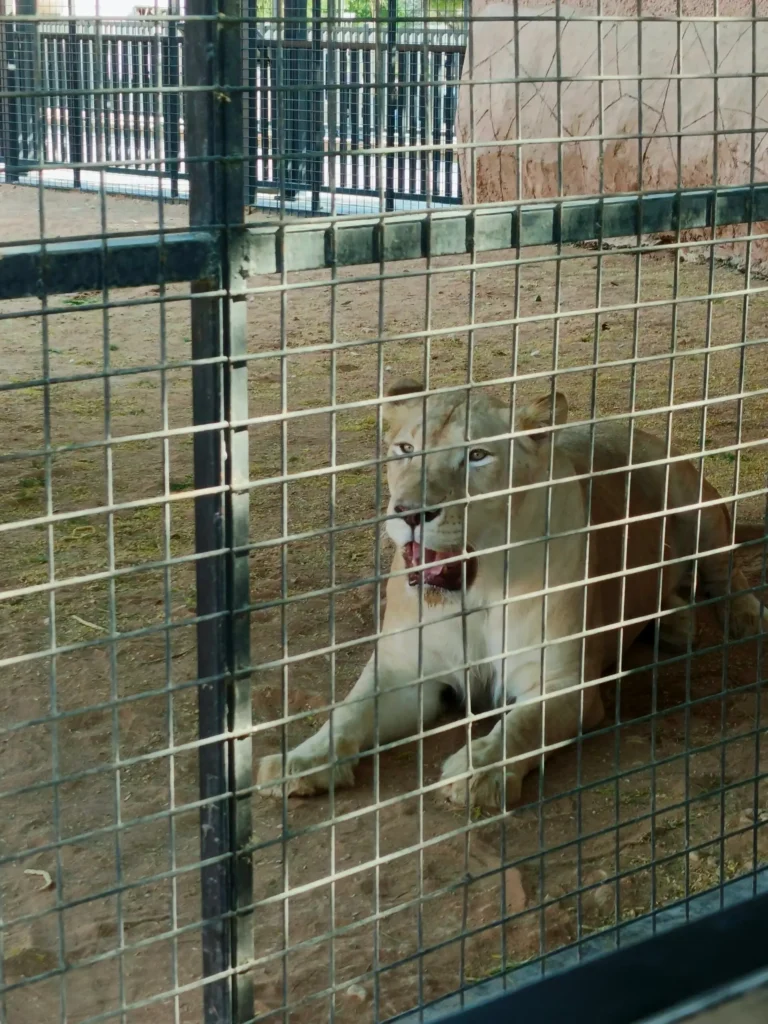
The white lioness was alert and sitting upright at the front of the steel-grid enclosure when I reached this section. Her cream-colored coat is a result of leucism — a rare genetic mutation distinct from albinism.
Seconds later, fully in rest mode — eyes closed, mouth open, panting heavily. This is the most common behavior you’ll see from large cats during July visits. Don’t be disappointed; they’re perfectly healthy.
The Central Fountain Plaza: A Cooling Break Point
Midway through the loop, the park opens up into a central plaza with an architectural water installation.
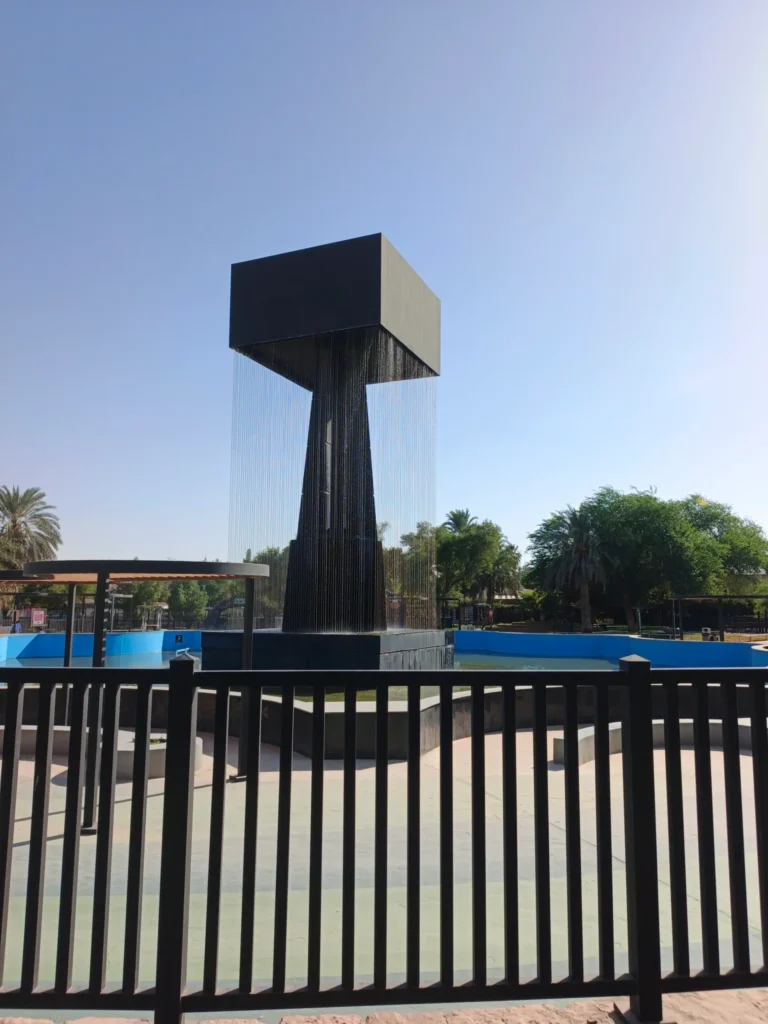
The giant black cube fountain is both a visual landmark and a functional cooling zone. Water cascades continuously down all four sides into a bright blue pool. The mist effect noticeably drops the surrounding temperature by a few degrees — ideal rest stop before pushing on to the savanna.
The wide, smooth pathways throughout the park are fully stroller and wheelchair accessible, including the ramps leading up to the elevated savanna boardwalks.
The Mosque Inside the Zoo
A detail that sets Riyadh Zoo apart from most international wildlife parks:
A dedicated prayer facility inside the zoo grounds. Shoes lined up outside — salah was in progress during my visit. Practical and appreciated detail for Muslim visitors.
The mosque is clearly signposted and located centrally enough that you don’t have to rush between zones to reach it.
The Savanna Enclosure: Best Section in the Park
The absolute standout of Riyadh Zoo is the massive open-air communal savanna enclosure where multiple African herbivore species share one large sandy plain.
 From the viewing platform: a giraffe in the left corner, multiple Grant’s Zebras grazing near the central shade structure, and smaller desert antelopes roaming freely between them. Multi-species interaction — genuinely impressive zoo management.
This is the section where you’ll want to spend the most time. The elevated wooden boardwalks give you clear overhead sightlines, and the scale of the enclosure is unlike anything you’d expect in the middle of a city.
Gift Shop
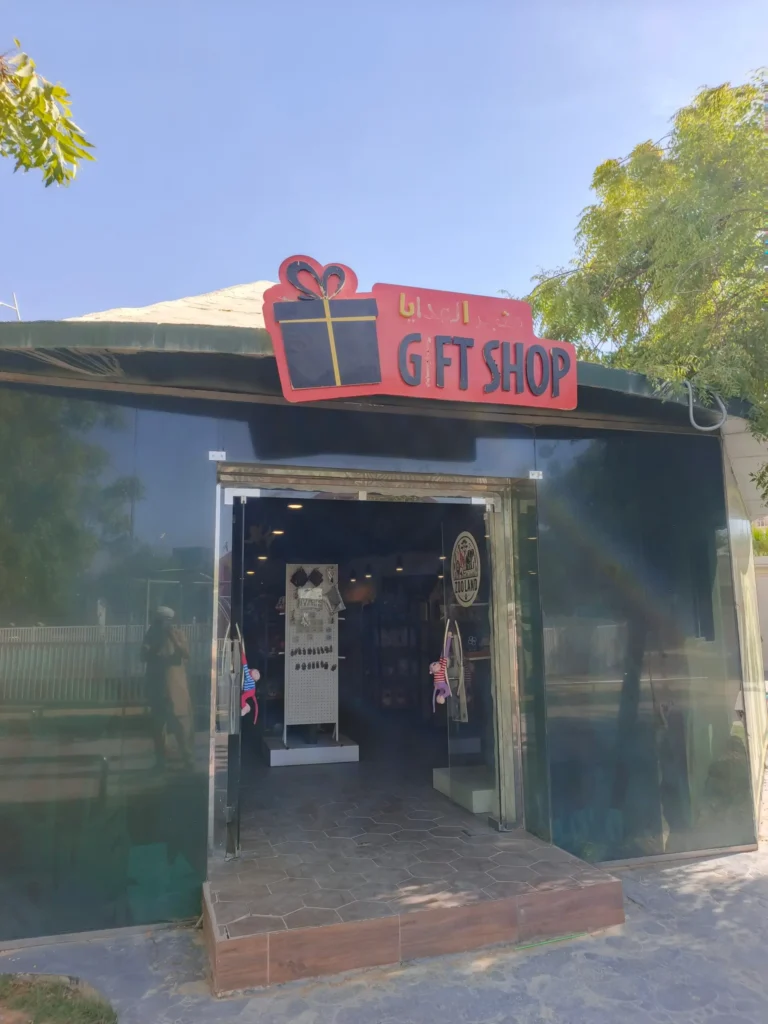
The gift shop is tucked near the central path. Stuffed animals, keychains, zoo-branded merchandise. Worth a quick browse if you have kids in tow.
Practical Tips Summary
Tickets: Book digitally in advance via Seven7tickets, WeBook, or NCW. 10 SAR for adults, sometimes free depending on season.
Timing: Arrive by 2:30 PM at the latest. Last entry is 4:00 PM, park clears by 5:00 PM. Winter months (Nov–Mar) are far more comfortable but summer is manageable with the right clothing.
Clothing: Lightweight shalwar kameez or thobe + cotton shawl for head/shoulder coverage. Running shoes, not sandals — expect 6,000–8,000 steps.
Water: Carry a personal bottle. Kiosks inside stock Nova and other brands.
Photography: Phone cameras are welcome everywhere. No flash photography near animal enclosures.
Animals feeding: Strictly prohibited. Don’t toss food into enclosures.
Prayer: Dedicated mosque facility inside the grounds.
Getting there: Al Ihsa Street, Al Malaz district. Uber and Careem drop right at the entrance. Riyadh Bus routes also cover the Al Malaz grid.
FAQ
Yes, with the exception of Sundays (maintenance closure). Hours and pricing may shift during Riyadh Season integration.
No rental available at the gate, but the entire park is wheelchair and stroller accessible.
Budget 2 to 2.5 hours for all 6 zones including rest breaks.
Riyadh Bus network has routes through Al Malaz, dropping within walking distance of the main entrance
Visited: July 10, 2026 | Al Malaz Wildlife Park, Riyadh | Ticket: 10 SAR via Seven7tickets
Related guides
Planning more days out? Read our budget travel hacks and how to survive the Saudi summer heat.