
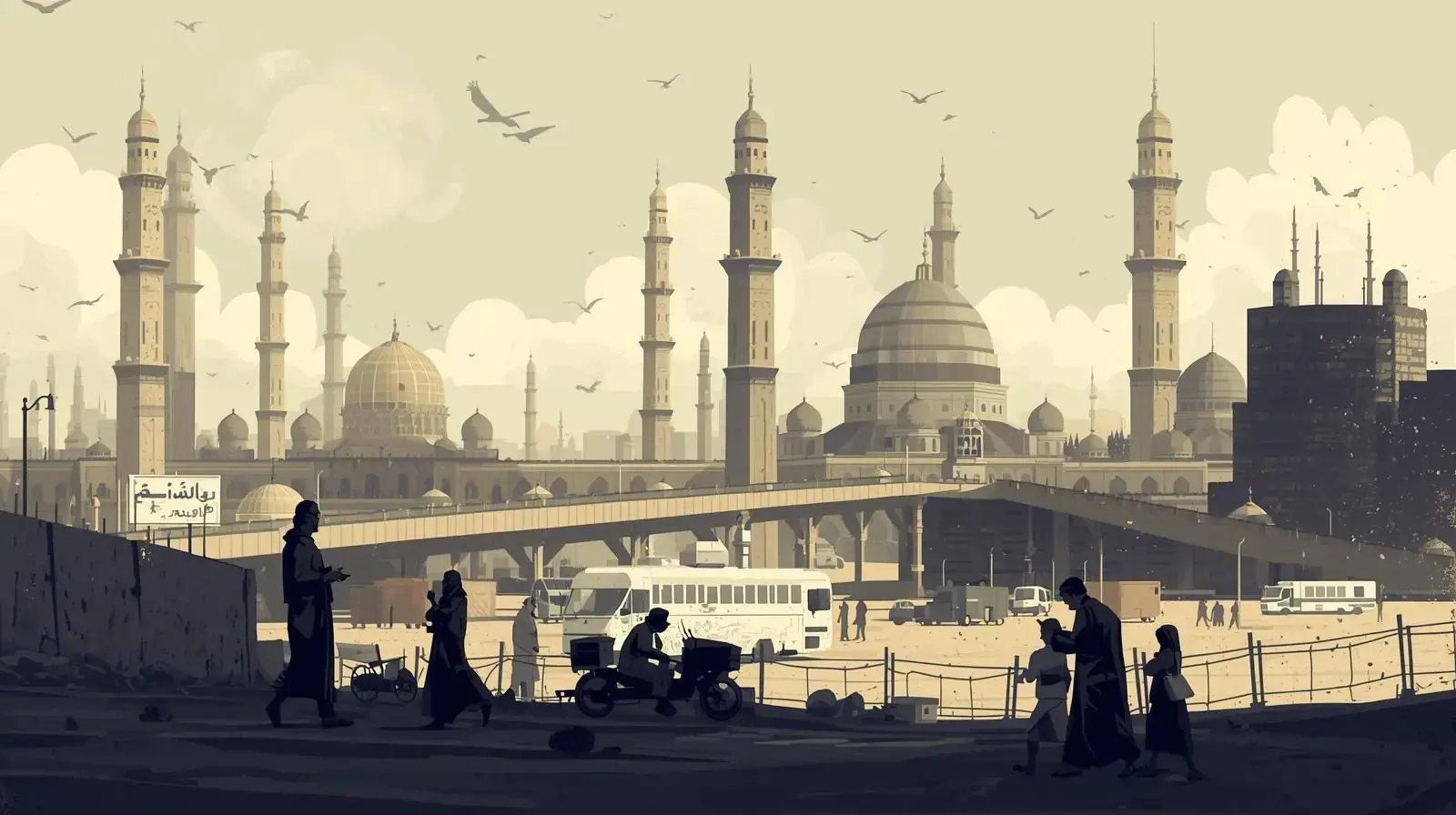
Every expat living in Saudi Arabia dreams of performing Umrah during the holy month of Ramadan. The spiritual reward is immense, and the atmosphere inside the Masjid al-Haram is unlike anything else on earth. However, if you try to book a budget bus package from Riyadh during the final, peak days of Ramadan, that spiritual dream can quickly turn into a grueling test of physical and financial endurance.
Recently, while visiting relatives in the Shamasi neighborhood of Riyadh on the second day of Eid, I sat down with an older expat who had just returned from a last-minute Ramadan Umrah trip. His story is a perfect warning for anyone trying to navigate the budget travel market in the Kingdom.
He booked a standard 3-day weekend trip from the Batha district, paying a heavily inflated price. What the travel agents didn’t tell him was the brutal reality of where his hotel was located, the hidden taxi fares, and the massive logistical lockdowns in Madinah.
If you are planning an Umrah trip during Ramadan, my absolute strongest advice is to go during the early days of the month. If you wait until the last 10 days, here is the unfiltered reality of what you will actually face, how to pull off a double Umrah, and the truth about the Nusuk Rawdah permits.
1. The 300 SAR Trap and the 10km Commute
During normal months, a 3-day bus package from Riyadh to Makkah costs around 100 SAR, and your budget hotel is usually within a 2 to 3-kilometer walk from the Haram.
During the last days of Ramadan, the entire system breaks down.
- The Price Surge: The agents in Batha know expats are desperate to spend the final nights of Ramadan near the Kaaba. They will hike the price of a cramped bus seat up to 300 SAR for a 3-day trip.
- The 10km Reality: What the agents hide from you is that Makkah is completely sold out. The “hotel room” included in your 300 SAR ticket is often pushed to the absolute outskirts of the city—sometimes 10 kilometers away from the Haram.
- The Hidden Taxi Bleed: Because you are 10km away, you cannot walk to the mosque. You are forced to rely on local taxis. During the Ramadan rush, these taxi drivers charge massive premiums. The money you thought you saved by taking a budget bus is instantly drained by paying for daily taxis just to reach the Haram gates.
2. The Madinah Highway Bus Ban
If you think the logistics in Makkah are tough, the journey to Madinah during the Eid rush is even more chaotic.
Normally, the Batha buses drive directly into the central area of Madinah, dropping pilgrims off at budget hotels right near Masjid e Nabawi. However, during the final days of Ramadan and the Eid holidays, the Saudi traffic police initiate a massive lockdown of the city center to manage the millions of pedestrians.
- The Highway Drop-Off: Heavy commercial buses from Riyadh are strictly banned from entering the city limits. Your driver will park the bus on the outer ring roads or highway parking lots miles away from the Prophet’s Mosque.
- Stranded with Luggage: You will be forced to offload your luggage on the side of the highway and negotiate with private taxi drivers to get you through the police checkpoints and into the central zone.
3. The “Masjid Aisha” Hack: How to Perform Two Umrahs
Despite the exhaustion, many dedicated expats want to maximize their time in Makkah. The uncle I spoke with in Shamasi managed to pull off an incredibly grueling, but highly rewarding, schedule.
Because the bus from Riyadh leaves for Madinah strictly between the Asr and Maghrib prayers on Friday, your time is highly compressed.
- The Strategy: He completed his primary Umrah immediately upon arriving, finishing by 8:00 PM. Instead of sleeping, he immediately took a taxi to Masjid Aisha (Masjid at-Tan’eem).
- The Loophole: Masjid Aisha is the closest Miqat boundary to the Grand Mosque (about 8km away). By taking a quick taxi there, performing the ritual shower (Ghusl), and re-entering the state of Ihram, he was able to return to the Haram and perform a second complete Umrah before the Friday afternoon departure to Madinah. It requires massive physical stamina, but it is the ultimate way to maximize a 3-day trip.
4. The Nusuk App Scam: Is the Rawdah Free?
Because the crowds in Madinah are so overwhelming during Ramadan, massive rumors begin to spread among the expat community. Recently, rumors have circulated that the Saudi Government has started charging a fee to enter the Noble Rawdah (Riyazul Jannah).
Let me be absolutely clear: This is 100% false. Visiting the Rawdah is completely FREE.
- The Reality of the Permit: You are legally required to have a permit to enter the Rawdah. You can only obtain this permit through the official Saudi Nusuk App on your smartphone.
- The Agent Scam: Because the free slots on the Nusuk app fill up weeks in advance during Ramadan, shady travel agents and online scammers prey on desperate pilgrims. They will tell you, “Give me 100 Riyals and I will buy you a VIP Rawdah ticket.” They are lying. They are simply taking your money to refresh the free app and book a canceled slot under your name. Never pay an agent for a Rawdah permit.
5. Amazon Survival Gear for the Ramadan Rush
If you are brave enough to tackle Makkah during the final days of Ramadan, you cannot pack like a normal tourist. You need specialized gear to survive the 10km taxi commutes and the massive crowds.
1. The Lifeline: 20,000mAh Heavy Duty Power Bank
When you are staying 10km away from the Haram, you cannot easily go back to your room to charge your phone. Between using the Nusuk app, booking Ubers, and staying in contact with your family in the massive crowds, your battery will drain incredibly fast. A 20,000mAh power bank is a non-negotiable survival tool.


2. Blister Prevention: Friction Defense Stick
Walking from the highway drop-off points in Madinah, or navigating the massive pedestrian zones around the Kaaba, guarantees inner thigh chafing and severe foot blisters—especially when wearing the Ihram garments. An anti-friction stick creates an invisible barrier on your skin, saving you from agonizing pain during your second Umrah from Masjid Aisha.



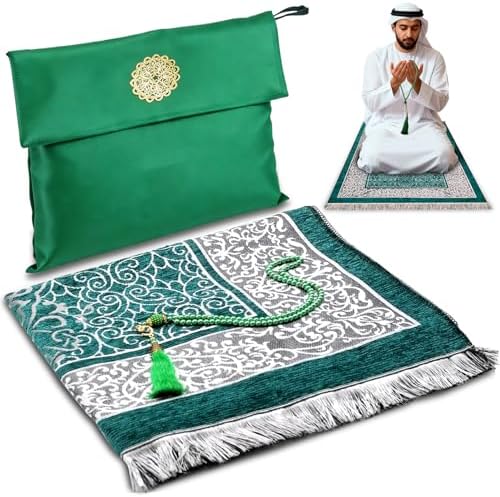
3. The Street Prayer Solution: Lightweight Pocket Prayer Mat
During the peak nights of Ramadan, the Harams fill to absolute capacity hours before the call to prayer. The police will block the entrances, and you will be forced to pray directly on the hot asphalt of the outer streets. A waterproof, parachute-material prayer mat that folds to the size of a smartphone is essential.


Frequently Asked Questions (FAQs)
If you want to travel during the first 15 days of Ramadan, book your ticket at least two weeks in advance. If you are attempting to travel during the last 10 days, you must book a month in advance, and you must aggressively confirm the exact location of your hotel on Google Maps before handing over any cash.
Yes! As long as you have your valid Saudi Tourist eVisa, Umrah Visa, or Iqama, you can download the Nusuk app and register your account from your home country. It is highly recommended to start checking for open Rawdah slots weeks before your flight lands.
During normal months, the shared taxi or bus from Masjid Aisha to the Haram is incredibly cheap (often 5 to 10 SAR). However, during the final days of Ramadan, private taxi drivers will heavily inflate their prices due to the gridlock traffic, sometimes demanding 50 SAR or more. Always negotiate the price before getting into the vehicle.
When the Saudi traffic police enforce the central zone lockdown, there are usually authorized shuttle buses or smaller local taxis waiting near the highway checkpoints. Keep extra cash (in small 10 and 5 Riyal notes) in your Ihram belt specifically for these emergency transfers.
Conclusion
Performing Umrah during the final days of Ramadan is an incredibly powerful spiritual experience, but the physical logistics are absolutely brutal. By learning from the real experiences of expats who have survived it, you can protect yourself from the Batha travel agent traps. Accept that your 300 SAR ticket might put you 10km away from the Haram, prepare for the highway bus drops in Madinah, and never pay a scammer for a free Nusuk permit. Pack your power bank, bring your pocket prayer mat, and focus your energy entirely on the blessings of the holy month.
Are you bringing your parents with you for the Ramadan rush? Make sure you know exactly how to protect them in the massive crowds. Read our complete guide on Bringing Elderly Parents for Umrah & Wheelchair Rules before you travel!
