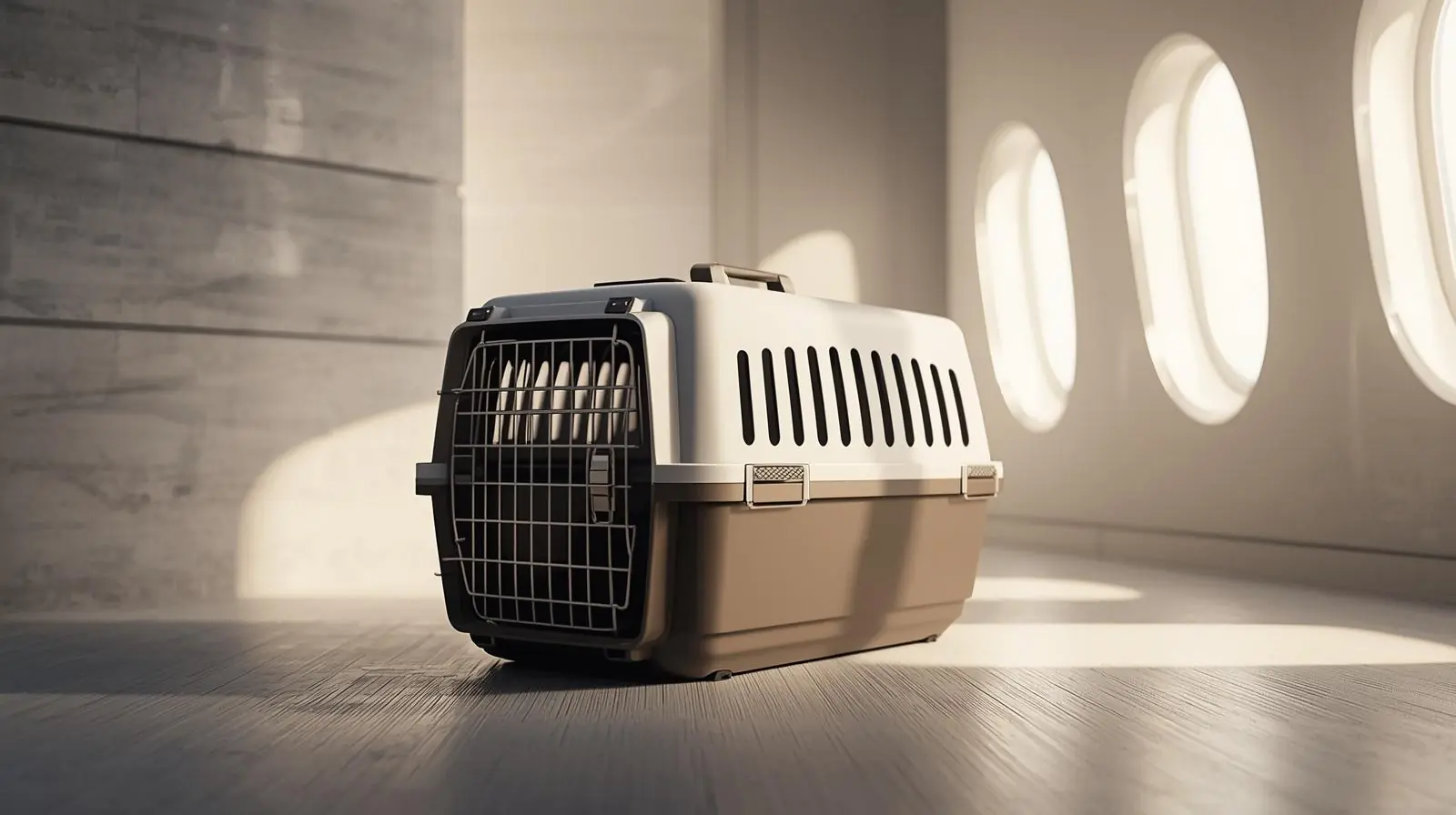
Traveling with a pet in the Kingdom of Saudi Arabia (KSA) is a journey of high stakes. Whether you are an expat moving back home from Riyadh or a local traveling between Jeddah and Dammam, the safety of your feline companion depends entirely on one piece of plastic: the Hard-Sided Cat Carrier.
I have seen countless travelers at King Khalid International Airport (RUH) looking devastated because their “airline-approved” carrier was rejected at the last minute by Saudia or Flynas staff. In this 1250-word deep dive, we are going to ensure that never happens to you. We will cover the IATA engineering of these crates, the brutal reality of the Saudi cargo hold, and how to pick a carrier that keeps your cat calm and secure.
Is your cat small and calm enough for the cabin? If so, you might prefer a lighter, flexible option. Read my tested guide on the Best Soft-Sided Pet Carriers for Saudia & Flynas before you commit to a hard crate.
1. The “Cargo vs. Cabin” Reality in Saudi Aviation
In Saudi Arabia, the choice between a hard-sided and soft-sided carrier is often made for you by the airline’s weighing scale.
When Hard-Sided is Mandatory (AVIH)
Most Saudi airlines, including Flyadeal and Flynas, have a strict weight limit of 7kg to 8kg for the combined weight of the pet and the carrier. If your cat is a large breed (like a Maine Coon or a well-fed Persian) and exceeds this limit, they must travel as AVIH (Animal Vivant in Hold).
- Safety First: Soft bags are strictly forbidden in the cargo hold. They can be crushed by shifting cargo. Only a hard-sided plastic shell provides the structural integrity needed for the hold.
- The “Escape Artist” Factor: If your cat is prone to panic or has strong claws, they can rip through a mesh soft carrier in seconds. For “aggressive” or highly stressed cats, a hard carrier is the only escape-proof solution for a Riyadh-to-Jeddah flight.
2. IATA Regulations: The “Language” of Saudi Gate Agents
Saudi airport staff follow the International Air Transport Association (IATA) Live Animals Regulations (LAR) very strictly. If your carrier doesn’t meet these “invisible” engineering standards, you won’t be allowed on the plane.
The CR-82 Requirement
For certain breeds or international flights, you may hear the term “CR-82.” This refers to extra-sturdy crates. Even for standard domestic flights, look for these features:
- Metal Bolts (Crucial): Never buy a carrier that only uses plastic “side clips” to hold the top and bottom together. These can pop open if the crate is dropped. Saudi airlines often require metal nuts and bolts. If you have a clip-on model, you must reinforce it with heavy-duty zip ties at every corner.
- Four-Sided Ventilation: In the 45°C heat of a Saudi summer, airflow is a matter of life and death. The crate must have ventilation on all four sides.
- The “Stand Up” Test: This is where most people fail. Your cat must be able to stand up without their ears or head touching the ceiling of the crate. They must also be able to turn around and lie down naturally.
Navigating the airport with a heavy pet crate and suitcases is exhausting. Make sure your personal luggage is optimized by following our Flynas 7kg Backpack Survival Guide so you can focus on your pet.
3. Top 5 Hard-Sided Carriers Available on Amazon.sa (2026)
Choosing the right brand in the Kingdom can be tricky. Here are the top-rated models that pass the Saudi airline inspection:
A. The Petmate Sky Kennel (The International Gold Standard)
If you are moving your cat from Riyadh to the USA, UK, or Pakistan, this is the only crate I trust.
- Pros: Includes “Live Animal” stickers, clip-on water bowls, and heavy-duty metal bolts. It is built from high-strength plastic that doesn’t “flex” under pressure.
- Cons: It is heavy and expensive, but the peace of mind is worth every Riyal.


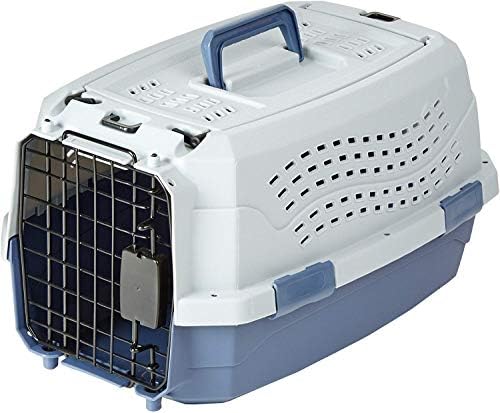
B. Amazon Basics Two-Door Top-Load Carrier
For domestic flights within KSA (e.g., Riyadh to Abha), this is a brilliant budget option.
- Why it works: The top-loading door is a lifesaver. You can lower a stressed cat in from the top rather than forcing them through the front gate.
- Warning: Check the bolts. Ensure they are tightened before you head to the airport.

C. Catit Voyageur (Best for Aesthetic and Comfort)
This is a very popular model in Riyadh pet shops. It’s stylish but also functional.
- Key Feature: It has a molded “waste collection gutter” on the floor. If your cat has an accident during a long wait at the gate, they won’t have to sit in the liquid.

- Lightweight Design: Crafted with durable, lightweight materials for easy carrying while maintaining maximum strength and…
- Comfortable Interior: Soft padded interior ensures a cozy and stress-free environment for your cat during travel or outi…
- Secure Closures: Equipped with reliable zippers and locking mechanisms to keep your pet safely inside at all times.

- Comfortable Travel Space: Spacious interior allows cats to move freely and comfortably, ensuring a stress-free experienc…
- Durable Construction: Made from high-quality materials that withstand daily wear and tear while maintaining long-term sa…
- Secure Closures System: Lockable zippers and clips provide ultimate security, preventing escapes while ensuring easy acc…

- Cat carrier is made from sturdy, durable material will help keep your kitty safe during transport
- Smart design allows for a seatbelt to be looped through the carrier’s top handle, making for a more secure car ride
- Features a convenient top petting hatch, unique ventilation panel and a lock-secured front door also includes a cat trea…
D. Stefanplast Gulliver (The European Favorite)
Widely available in the GCC, this Italian-made carrier is known for its secure locking system.
- Pro-Tip: Make sure you get the version with the metal door, not the plastic door.


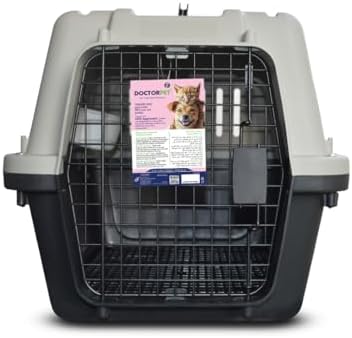
E. Doctor Pet IATA Travel Crate (Widely Available in Saudi)
A newer entry into the Saudi market, this offers a sleek design with superior ventilation.

4. Preparing the Carrier for a Saudi Summer Flight
The heat in the Kingdom is the biggest enemy of pet travel. Here is how you prepare a hard crate for a flight departing from RUH or JED:
- The Ice Bowl Hack: IATA requires fixed water bowls. Fill the bowl halfway with water and freeze it the night before. By the time your cat is on the plane, it will slowly melt, providing cold water without spilling during the initial boarding chaos.
- The Scent of Home: Put a worn T-shirt of yours inside. Hard plastic can be cold and intimidating; your scent will lower the cat’s cortisol levels.
- Labels: Even if the crate has stickers, duct-tape a clear envelope to the top with your Saudi Mobile Number, Destination Address, and a photo of the cat.
Settling into a new home in Riyadh with your pet? Don’t forget the essentials for your apartment. Check out our Guide to Stopping Saudi Hard Water from Ruining Your Hair for an easier transition.
5. Navigating Saudi Security (The “Harness” Secret)
At the security checkpoint in Terminal 5 (Riyadh) or the new Jeddah airport, you will be asked to take your cat out of the carrier so the crate can be X-rayed.
- The Danger: A frightened cat can bolt into the airport crowd.
- The Solution: Your cat should be wearing a secure harness inside the hard carrier. Keep the leash in your hand. When you open the door, you have total control. Never take a cat out of a carrier in an airport without a harness.
Frequently Asked Questions (FAQs)
A: Saudi airlines usually follow the “One crate, one pet” rule unless they are very young kittens from the same litter. Always call Saudia or Flynas support to confirm before you arrive at the airport.
A: Technically yes, but I have seen agents ask for “secondary security.” Use cable ties (zip ties) around the perimeter to ensure the top and bottom cannot separate.
A: Unlike soft bags, you can simply hose down a hard crate with warm soapy water. This makes them much more hygienic for long-term use.
Conclusion: Invest in Safety, Not Just a Bag
Your cat’s safety is worth more than a cheap 50 SAR carrier from a local market. When you buy a high-quality, IATA-compliant hard-sided carrier, you aren’t just buying a box; you are buying a guarantee that your pet will arrive at their destination safe, secure, and stress-free.