 Tayyab Ali
Staying hydrated on the go is non-negotiable, but lugging around a bulky, heavy water bottle can be a real pain point for travelers. In 2025, smart globetrotters are looking for lightweight, compact, and reliable water bottles that fit seamlessly into their travel gear. With trends leaning into eco-friendly travel and minimalist packing, the best travel water bottles help you avoid single-use plastic, save money on overpriced airport drinks, and keep you hydrated through every adventure. Whether you’re backpacking through national parks or jetting off on long-haul flights, a great travel bottle offers convenience without weighing you down.
In this post, we’ll review 5 top-rated lightweight travel water bottles – including collapsible, insulated, and filtered options – to suit different needs. We’ll cover each product’s key features, pros & cons, and ideal use cases. You’ll also find a handy comparison table, a buyer’s guide (covering weight, insulation, material, lid type, collapsibility, and price), and an FAQ section to address common questions. By the end, you’ll know exactly which bottle deserves a spot in your 2025 travel essentials.
Let’s dive in and find the best lightweight water bottle for travel that matches your style and needs!
Top 5 Lightweight Travel Water Bottles
Below are our picks for the best travel-friendly water bottles of 2025. Each one excels in different areas – from ultralight collapsible designs to insulated bottles that keep drinks cold for hours. We’ve included key features, pros and cons, and who each bottle is best for. These products are all high-quality travel water bottles that frequent flyers, hikers, and backpackers swear by.
1. Owala FreeSip 24 oz – Best Overall Travel Water Bottle (Insulated Straw Bottle)
Key Features: 24 oz capacity; double-wall stainless steel (vacuum insulated); unique dual-mode lid (built-in straw + wide mouth); leakproof flip cap with lock; carry handle; BPA-free. Item weight ~14 oz empty.

- 24-ounce insulated stainless-steel water bottle with a FreeSip spout and push-button lid with lock from Owala FreeSip bo…
- Patented FreeSip spout designed for either sipping upright through the built-in straw or tilting back to swig from the s…
- Protective push-to-open lid keeps spout clean; convenient carry loop doubles as a lock on Owala FreeSip bottle.
The Owala FreeSip has taken the travel world by storm – and for good reason. This trendy bottle combines convenience and versatility in one package. Its patented FreeSip lid gives you two ways to drink: there’s a built-in straw for casual sipping and a wide-mouth opening for chugging when you’re parched. The lid flips open at the press of a button, but also locks securely to prevent accidental leaks in your bag. Travelers love that the Owala is completely leakproof, so you don’t have to worry about it soaking your carry-on mid-flight. The bottle’s insulated stainless steel body keeps water cold for up to 24 hours (and hot drinks warm ~12 hours), yet it’s still reasonably lightweight and fits in car cup holders and backpack pockets. Ergonomic indents on the sides and a hidden carry loop make it comfortable to grab and go. With a variety of fun colors and even themed designs, the Owala FreeSip proves you can have style, functionality, and portability all in one.
Pros & Cons of Owala FreeSip
Pros
- Dual drinking modes (straw and wide-mouth) offer great versatility
- Vacuum insulation keeps drinks cold all day; no condensation sweat.
- Leakproof locking lid – no spills even when tossed in a bag
- Comfortable to hold and carry (flip-up handle doubles as a lock
- Durable build and tons of color options.
Cons
- Not collapsible – takes up the same space when empty.
- Straw mechanism has a slight learning curve to drink from both openings
- Heavier than plastic bottles (insulation adds weight ~0.85 lbs empty).
Ideal For: Travelers who want a do-it-all bottle – everyday use, flights, road trips, and hiking – especially those who appreciate cold drinks and easy sipping. If you’re looking for one bottle to carry from the airport to the trail, the Owala FreeSip is a top contender for your travel essentials.
2. YETI Yonder 25 oz – Best Ultralight Bottle (Shatter-Resistant Plastic)
Key Features: 25 oz (750 mL) capacity; extremely lightweight plastic (50% recycled Tritan); shatter-resistant and BPA-free; 100% leakproof tethered cap (chug-style spout available); weighs only ~0.5 lbs (8 oz) empty.

- YETI’s 750 mL / 25 oz Yonder water bottle is ideal for day hikes and packing light
- TETHER CAP – Includes always attached 100% leakproof Yonder Tether Cap
- BPA-FREE – Made with durable and safe BPA-free material
If you’re counting every ounce in your pack, the YETI Yonder will be your new favorite travel companion. Unlike YETI’s famous Rambler stainless steel bottles, the Yonder series is made of durable plastic – engineered to be 50% lighter than equivalent steel bottles. At just about half a pound empty, you’ll hardly notice it in your bag, yet it still holds a generous 25 ounces of water. The Yonder’s design is all about convenience: the slim shape slides easily into backpack side pockets, and the leakproof cap is tethered so you won’t lose it. YETI adapted their popular chug spout cap for this bottle, allowing quick sips without fully removing the lid. The result is a tough, lightweight bottle that’s perfect for travel and outdoor use. As Explore Magazine notes, the Yonder’s 50% lighter weight makes it ideal “when every ounce counts” – it’s the bottle you grab for long hikes, travel photography trips, or anytime you don’t want extra weight holding you back. Despite being plastic, it’s built to YETI’s high durability standards (impact-resistant and shatter-proof if dropped). It’s also made from BPA-free, odor-resistant materials, so your water tastes fresh. For travelers who have avoided heavy metal bottles but still want something sturdier than a flimsy disposable, the Yonder hits the sweet spot.
Pros & Cons of YETI Yonder Best Ultralight Bottle
Pros
- Ultra-lightweight for its size – ~50% lighter than comparable metal bottles.
- High capacity (750 mL) without the bulk; great for day hikes and long flights.
- Shatter-resistant BPA-free plastic – durable for outdoor adventures.
- 100% leakproof, with a secure tethered lid (no lost caps).
- Slim design fits external pack pockets and cup holders well.
Cons
- Not insulated – water can get warm in hot weather (it’s a trade-off for weight).
- Plastic may retain odors over time (though it’s BPA-free and odor-resistant).
- Opaque design (can’t see water level in the solid color versions).
- Premium price for a plastic bottle (you’re partly paying for the YETI brand durability).
Ideal For: Minimalist packers, hikers, and backpackers who prioritize weight savings. Also great for frequent flyers – toss it empty in your carry-on (TSA allows empty bottles) and fill up past security. If you’ve skipped bringing a bottle on trips because of weight, the Yeti Yonder solves that problem by being feather-light yet tough.
3. Stojo Collapsible Bottle 20 oz – Best Collapsible Bottle (Ultra-Packable Silicone)
Key Features: 20 oz (591 mL) capacity; food-grade silicone body with PP plastic cap; fully collapsible/foldable design (compresses down to ~3.3″ height when empty); weight ~6 oz; wide mouth opening; leakproof screw-on lid; dishwasher safe.
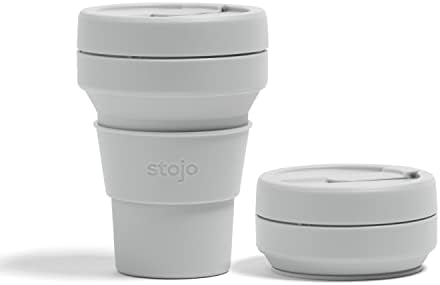
- AN EVERYDAY FOLDING MUG: From the kitchen to the office, Stojo has got your daily brew needs covered with the 12oz / 355…
- COLLAPSE, STOW, & GO: Enjoy your favourite drink where ever life takes you with a collapsing travel mug. Will easily fol…
- MAGIC IN THE MATERIALS: A foldable and lightweight mug that can handle both hot and cold drinks seems like wizardry – it…
For travelers tight on space, the Stojo Collapsible Water Bottle is a game changer. This nifty silicone bottle compresses down to just over 3 inches thick when empty, so you can easily stash it in even the fullest luggage or clip it to a bag. When expanded, it holds a respectable 20 ounces of water. The design features accordion-style silicone walls that you simply squish down and twist closed once the bottle is empty – it’s incredibly portable and space-saving. Despite its flexibility, the Stojo is sturdy when filled and includes a hard plastic mouthpiece for comfortable drinking. Importantly, it’s totally leakproof when sealed: the screw-on cap creates an airtight seal, so no worries about spills in your purse or pack. Travelers love that they can fill it up during the day, then collapse it flat when it’s not in use (like after clearing airport security or when your hike is done). The wide mouth makes refilling a breeze and even allows you to add ice or drink mixes without mess. As a bonus, the Stojo is dishwasher-safe, making it easy to clean on the road. At ~6 ounces, it’s quite lightweight – about the same as a basic plastic bottle, but with the huge advantage of packability. The only minor challenge is getting used to holding a collapsible bottle: squeezing too tight in the middle can cause it to squish inwards (Stojo provides finger grooves on the lid to help keep it stable while you drink). Overall, this bottle is a traveler’s dream for saving space. It’s especially popular among parents and theme park goers (where you might want to collapse a bottle after use), but it’s just as handy for any globetrotter trying to travel light.
Pros & Cons of Stojo Collapsible Bottle
Pros
- Collapses to ~3.3 inches – takes up almost no space when not in use.
- Very lightweight (about 6 oz) and easy to carry or attach to bags.
- Leakproof airtight lid – no spills even when jostled.
- Wide mouth for easy filling and adding ice; also easy for hand-washing.
- Dishwasher safe and made of food-grade, BPA-free materials.
Cons
- Can be a bit awkward to hold when full until you get used to it (bottle can collapse inward if squeezed too hard in the middle).
- Not insulated – water will take on ambient temperature relatively quickly.
- Silicone can pick up dust/dirt on the outside (common with silicone, but washes off).
- 20 oz capacity is decent, though heavy drinkers might prefer a larger bottle (collapsible designs above 1L are rare).
Ideal For: Carry-on travelers, backpackers, and anyone with limited space. If you often find yourself scrambling to fit a water bottle in your bag or you want a backup bottle for emergencies, the Stojo is perfect. It’s also great for city travelers and theme parks – drink up, then collapse it and tuck it away. Families love it for kids’ gear too (no spills and packs flat). In short, the Stojo is an awesome travel essential for 2025 where packing light is key.
4. LifeStraw Go 22 oz – Best Filtered Water Bottle (Safe Drinking Anywhere)
Key Features: 22 oz (650 mL) capacity; integrated 2-stage filter (hollow fiber membrane + carbon filter); removes 99.999999% of bacteria & parasites, plus reduces chlorine and odors; durable BPA-free Tritan plastic bottle; flip-top lid with straw; includes carabiner clip; ~5–7 oz weight (empty with filter).

- ADVANCED WATER FILTRATION. Protects against, microplastics, chlorine, organic chemical matter and sand, dirt, cloudiness…
- MADE TO LAST. Long-lasting membrane microfilter lasts up to 4,000 liters and the activated carbon filter lasts up to 100…
- RIGOROUSLY TESTED. Reusable, durable and BPA-free, independently lab tested to meet protocols established by the US Envi…
When traveling to places with questionable tap water or heading into the wilderness, a filtered water bottle like the LifeStraw Go can be a literal lifesaver. This bottle comes with LifeStraw’s renowned 2-stage filter built into the straw, meaning you can fill up from almost any water source – a sketchy hostel faucet, a stream on a hike, even a lake – and drink safely without worry. The microfilter removes bacteria, parasites, and microplastics, while the activated carbon stage reduces chemicals, chlorine and improves taste. In practical terms, that means no Giardia, no E. coli, and much better-tasting water wherever you are. The filter is long-lasting (up to 1,000 gallons for the membrane) and replaceable for a reasonable cost. The bottle itself is sturdy and travel-friendly: made from BPA-free plastic that’s durable yet fairly lightweight. It has a secure flip-top bite valve and a carry loop. Many travelers carry the LifeStraw Go as their go-to bottle abroad – it provides peace of mind that you’ll always have clean drinking water. According to gear testers, for those “traveling abroad, into the backcountry, or anywhere that limits access to clean water, the LifeStraw Go provides comprehensive filtration that’s convenient, portable, and stress-free”. Using it is simple: fill the bottle, reinsert the straw/lid, and sip – the water is filtered as you drink. The flow rate is decent (though you do need to suck a bit harder than from an ordinary straw). One thing to note: because of the filter straw design, you can’t pour from it into another cup easily – it’s meant for personal drinking. Also, you shouldn’t put anything except water in it (no electrolyte mixes, etc., as they could clog the filter). That said, for safe hydration on the go, especially in regions with boil alerts or unreliable water, LifeStraw Go is an unbeatable choice. It allows you to travel further off the beaten path without relying on single-use bottled water – a big win for both your health and the planet.
Pros & Cons of LifeStraw Go Bottle
Pros
- Built-in filter lets you drink safely from rivers, lakes, taps – virtually any water source.
- Removes 99.9% of waterborne bacteria and parasites (and even microplastics).
- Sturdy and durable bottle (drop-tested on trails – holds up with minimal damage).
- Surprisingly lightweight for a filter bottle (saves carrying a separate filtration system).
- Great for international travel, camping, hiking – portable and stress-free clean water anywhere.
Cons
- You must sip through the straw (cannot easily pour out water except through the mouthpiece).
- Slight effort needed to drink – sucking through the filter has resistance, so it’s a bit slower than normal sipping.
- Not insulated (plastic bottle; your water can get warm).
- Filter takes up some internal space (actual water volume is a bit less than 22 oz when filter is inserted).
- Can’t use with flavored mixes or sugary drinks (filter is only for water). Replacement filters add ongoing cost (typically every 3–6 months of regular use).
Ideal For: International travelers, hikers, campers, and emergency preppers – anyone who wants the assurance of safe drinking water wherever they go. If your travels take you to remote or developing areas with uncertain water quality, the LifeStraw Go is a must-pack item. It’s also perfect for outdoor adventurers who want to refill from natural sources on the trail. Even for everyday use, some folks keep it as a gym or office bottle to have filtered water that tastes better. Overall, if “drinkable water anywhere” is a priority, LifeStraw Go is the ultimate travel essential for 2025.
5. Hydro Flask Trail Series 24 oz – Best Insulated Bottle for Outdoors (Lightweight Steel)
Key Features: 24 oz capacity; 18/8 stainless steel vacuum insulated; Trail Series design (25% lighter than standard Hydro Flask models) keeps drinks cold up to 24 hours (hot up to 12 hours); standard wide mouth with flex cap (leakproof); weighs ~10 oz empty (0.62 lb).

- Lightweight hydration to keep you going
- 25 percent lighter than our other 24 oz Wide Mouth bottles
- TempShield️ double-wall vacuum insulation keeps drinks cold up to 24 hours, hot up to 12
Hydro Flask has long been a gold standard for insulated water bottles, and their Trail Series caters directly to travelers and hikers who want the benefits of insulation without the usual weight penalty. The Hydro Flask Trail Series 24 oz is a slim, lightweight version of their classic bottle – about 25% lighter than the regular 24 oz Hydro Flask thanks to thinner stainless steel walls and an innovative design. At roughly 10 ounces empty, it’s impressively light for a double-wall insulated bottle (for comparison, many 32 oz steel bottles weigh 15–17 oz empty). Despite trimming weight, it doesn’t sacrifice performance: you still get the excellent TempShield™ insulation that keeps ice water cold all day and prevents condensation. The bottle is very durable and dent-resistant for outdoor use, though extreme drops could ding it (common to all steel bottles). The wide mouth makes filling and cleaning easy, and it’s compatible with backcountry water filters that screw on (handy for trekking). Hydro Flask’s flex cap is completely leakproof when closed and has a perforated carry strap to save a bit more weight. In practice, this bottle is a favorite for those who want to keep drinks cold on hot travel days or long hikes. For instance, you can fill it with ice at your hotel or airport lounge and have chilled water for your whole day of sightseeing. If you’re traveling in hot climates or just prefer insulated bottles but usually leave them behind due to weight, the Trail Series is your answer. Reviewers note that it “retains all the insulating qualities of previous models, but weighs just 10.5 ounces for a 24 oz” size you truly don’t have to choose between lightweight or insulated. The only downsides are the cost (Hydro Flasks are a premium brand) and that it’s not collapsible (of course). Also, remember to empty it before airport security, since it’s easy to forget there’s water when it’s so well insulated! All in all, the Hydro Flask Trail 24 oz strikes a fantastic balance for active travelers who need temperature control in their bottle.
Pros & Cons of Smart Gadget
Pros
- Excellent temperature retention (one of the best insulated bottles – cold up to 24h/hot 12h).
- 25% lighter design makes it viable for travel/backpacking. Only ~10 oz empty for 24 oz capacity.
- Leakproof and very durable; built for outdoor adventures (fits most filters and cup holders).
- No flavor transfer (18/8 stainless steel with BPA-free cap) – great for switching between water, sports drinks, etc., without lingering taste.
- Trusted brand with lifetime warranty and lots of accessories (alternative lids, etc., available).
Cons
- Still heavier than a plastic bottle (inevitable with steel + insulation, though much lighter than typical insulated bottles).
- Not cheap – a premium price tag, which may be hard to justify if you lose bottles often.
- Not see-through (you can’t easily tell how much water is left without opening).
- No integrated straw (though you can buy a straw lid separately). Drinking requires either unscrewing the cap or using a compatible straw lid.
- Bulkier than collapsible or thin plastic bottles (takes up a fixed amount of space).
Ideal For: Adventurers, hikers, and travelers in hot climates who want their water to stay cold (or coffee to stay hot) for hours. If you plan on outdoor activities – from mountain trails to exploring summer cities – and don’t mind a solid bottle, the Hydro Flask Trail Series is perfect. It’s also great for road trips and everyday carry for those who prefer sipping ice-cold water all day. For eco-conscious travelers, investing in one high-quality bottle like this can last years (reducing waste from disposable cups and bottles). In the realm of insulated travel bottles, the Trail Series strikes an ideal balance between weight, capacity, and performance.
Comparison Table: Lightweight Travel Water Bottles
To help you compare these bottles at a glance, here’s a side-by-side summary of their key specs and features:
| Bottle (Capacity) | Weight (Empty) | Material/Type | Notable Features |
|---|---|---|---|
| Owala FreeSip (24 oz) | ~13.6 oz (386 g) | Stainless steel, insulated straw lid | Dual sip modes (straw + wide mouth), 24h cold, leakproof lock |
| YETI Yonder (25 oz) | ~8 oz (227 g) | Tritan plastic, not insulated | Ultralight (50% lighter than steel), shatter-resistant, tethered leakproof cap. |
| Stojo Collapsible (20 oz) | ~6 oz (170 g) | Silicone & PP plastic, collapsible | Folds to 3″ thick, wide mouth, dishwasher safe, airtight leakproof design. |
| LifeStraw Go (22 oz) | ~6–7 oz (≈180 g) | Tritan plastic w/ filter straw | 2-stage filter removes 99.999999% bacteria & more, provides safe water anywhere, durable build. |
| Hydro Flask Trail (24 oz) | ~10 oz (283 g) | Stainless steel, insulated (vacuum) | 25% lighter design, 24h cold/12h hot, wide mouth, rugged and leakproof. |
Notes: All the above bottles are BPA-free and travel-friendly. Weight is for the empty bottle (with any included filter). Keep in mind that insulated bottles (like Owala and Hydro Flask) trade a bit more weight for temperature control, whereas non-insulated options prioritize absolute lightness. Collapsible and filtered bottles offer special functionalities (packability and water purification, respectively) which come with unique advantages as outlined above.
Use this table to pinpoint which features matter most to you – whether it’s the ultralight feel of the Yonder, the space-saving magic of the Stojo, the all-day chill of the Hydro Flask, the versatility of the Owala, or the safety of the LifeStraw. There’s a perfect travel bottle here for every type of traveler!
Buyer’s Guide: How to Choose the Perfect Travel Water Bottle
Choosing a travel water bottle might seem straightforward, but a few key considerations can make the difference between a bottle that becomes your constant travel companion and one that stays buried in your backpack. Here are the essential factors to weigh when picking the best lightweight water bottle for travel:
Weight & Packability
When you’re on the move, every ounce counts. Look for a bottle that is light enough not to burden you, especially if you’ll carry it all day in a backpack or purse. Slim plastic bottles or titanium bottles can weigh as little as a few ounces, whereas insulated steel bottles might weigh closer to a pound. Decide if the added weight of insulation or heavier material is worth it for your needs. If pack space is a concern, consider collapsible bottles (like the Stojo or HydraPak types) which can fold up when empty, or bottles with a slim profile that slip easily into bag pockets. As a rule of thumb, for travel you’ll want a bottle under ~12 oz empty weight; anything heavier can become noticeable during long outings. Also, ensure the bottle’s shape is travel-friendly – it should fit in your daypack’s side pocket or car cup holder for convenience.
Tip: If you’re a carry-on only flyer or a one-bag traveler, collapsible bottles offer huge space savings (no awkward bulge in your bag once you’ve finished your water). For ultralight backpacking, consider simple plastic bottles or even soft foldable bladders that weigh next to nothing. On the other hand, if you don’t mind a bit more weight for the comfort of cold water, an insulated yet lightweight steel bottle (like Hydro Flask Trail or Stanley’s AeroLight series) can be worth it.
Insulation (Temperature Control)
Think about how important cold (or hot) drinks are to you during travel. Insulated bottles have double-walled vacuum construction that keeps water icy cold for hours in heat (or keeps tea/coffee hot), but this feature adds weight and bulk. If you’re often traveling in hot climates, doing outdoor activities, or simply prefer your water cold, an insulated bottle is a game changer – no more lukewarm water mid-day. Modern insulated travel bottles like the ones from Hydro Flask, Owala, or Stanley can keep drinks cold ~24 hours. However, if you mostly need a water carrier and don’t mind the temperature, you can save weight with a non-insulated bottle (plastic or single-wall metal). Insulation vs. weight is a trade-off: decide based on your destination and personal preference.
Also consider that insulated bottles do double-duty – you can use them for hot beverages. Enjoying a warm coffee on a cold morning flight or keeping soup hot on a day trip can be a perk if you have a vacuum flask. If that appeals to you, go insulated. If not, skip it and go lighter. Some travelers even carry two bottles – a lightweight one for easy access and an insulated one for temperature-sensitive needs – but that’s if you have the space.
Material & Durability
Travel water bottles come primarily in three materials: plastic, stainless steel, or silicone (collapsible). Each has pros and cons:
- Plastic (Tritan, etc.): Very lightweight and generally inexpensive. Good impact resistance (won’t dent, and high-quality plastics can be quite durable). Modern travel bottles use BPA-free plastics, addressing health concerns. Plastic won’t keep water cold, and it may retain flavors/odors over time, but it’s great for minimal weight and often translucent to see your water level. If you go plastic, opt for sturdy ones (like Nalgene, CamelBak, YETI Yonder) made for reusability and with no harmful chemicals. Pro tip: Even BPA-free plastic can sometimes leach a slight taste or odor when water sits long; regular cleaning and avoiding heat (don’t leave it in a hot car) helps.
- Stainless Steel: The best for durability and insulation. Steel bottles (especially double-wall vacuum ones) are tough – they can last years and take a beating. They don’t leach any taste into the water and handle both hot and cold liquids. Downsides: heavier than plastic, and can dent if dropped hard (though that usually doesn’t ruin functionality). If you need longevity and versatility, steel is fantastic. Many steel bottles are now coming in lighter-weight travel versions (like the Hydro Flask Trail Series or titanium bottles) to reduce the heft. Steel is also ideal if you want insulation or if you’re concerned about plastic waste.
- Silicone/Soft (for collapsibles): These are usually a soft silicone body with some plastic parts. They shine in packability and are fairly light, but not as easy to drink from one-handed (they can flop). They are durable in the sense of not cracking (you can drop a silicone bottle and it won’t shatter), but they can be punctured by sharp objects. They also might absorb smells if not cleaned. Collapsible silicone bottles are awesome for specific scenarios (space saving), but if it’s your primary bottle, be prepared for a bit of squishiness. Choose a high-quality food-grade silicone model to avoid any rubbery taste.
Consider your typical travel style: If you’re rough on gear (trekking, camping, etc.), a steel bottle might survive best (plus no risk of bursting if checked in luggage). If every ounce matters or you want an everyday city bottle, plastic or hybrid materials might serve better.
Lid Type & Drinking Mechanism
The lid design greatly affects how convenient a bottle is on the move. Common lid types include: screw-top (classic wide mouth), flip-top straw (integrated straw with a flip spout), sport sip cap, and filter straw. Here’s what to consider:
- Leakproofing: If you’re tossing the bottle in a bag with electronics or clothes, it must not leak. Look for bottles advertised as leakproof when closed (many have locking mechanisms). Screw-top lids are often very secure but take two hands to open. Flip-top straw lids are one-hand operable but ensure they have a lock or sturdy hinge to prevent accidental opening.
- Ease of Drinking: When you’re walking through an airport or hiking, one-handed access can be great. Straw lids (like Owala FreeSip, CamelBak Eddy, etc.) let you sip without tilting the bottle – convenient while moving or driving. Wide mouth screw lids require unscrewing and potentially using two hands, but they allow fast gulping and easy refills. Some bottles cleverly combine both (Owala’s lid has straw + wide opening, which is super handy). Think about whether you prefer sipping or chugging, and whether you mind taking a few extra seconds to open a lid.
- Special Features: A filter bottle obviously has a unique straw – you’ll sip through it and it will require a bit more effort, as discussed. Some lids have built-in infusers (for fruit) or even UV purifiers (like LARQ bottles that self-clean with UV-C light). Those can add weight/cost but might be attractive to tech-savvy travelers. Also, consider if the lid has a carrying loop or handle – that can be useful to attach the bottle to bags or to carry with a finger. Carabiner-friendly lids (with loops) are great for clipping to the outside of a backpack.
- Cleaning and Maintenance: A simpler lid is usually easier to clean (fewer crevices). Straws and spouts require occasional cleaning with a brush, so factor that in. If you’ll use drink mixes, wide mouths are easier to add powder and clean afterwards than narrow straws (also note: filters can’t be used with mixes).
Bottom line: Choose a lid that fits your usage. If you know you’ll be sipping frequently while in motion, a straw or sport cap will be appreciated. If you mainly need to hydrate at stops, a regular wide mouth may be fine and more versatile for adding ice, etc. And always double-check that the lid seals tightly – read reviews for any leakage complaints, as a “leaky bottle in bag” is a traveler’s nightmare.
Collapsibility vs. Structure
We’ve touched on this, but decide if you want a rigid bottle or a collapsible one. Collapsible bottles (like Stojo, Hydrapak, Vapur) are awesome for saving space – you can pack them flat or rolled when not in use. They are perfect as a secondary bottle or for minimalist travel days. However, they can be less convenient to actually drink from frequently (since they may not stand up well when empty, and you often need two hands to hold them steady as they get floppier when less full). Rigid bottles (plastic or metal) are easier to drink from one-handed and typically fit better in cup holders, bike mounts, etc.
One strategy: carry a collapsible as a backup. For example, bring a solid 20 oz bottle for daily use and a collapsible 1L pouch folded in your pack if you need extra capacity or as a spare. If you’re going on a long hike from base camp, you could fill both, then collapse the spare when it’s empty.
If you opt for collapsible as your main bottle, invest in a good one that’s leakproof and durable (cheap ones can puncture or leak at the lid). As mentioned in our Stojo review, consider that some designs have rings or grips to help with handling. And always practice collapsing/expanding it a few times at home so you’re not fumbling with it on the road.
Price & Quality
Travel water bottles range from about $10 on the low end to $50+ for premium models. Generally, you get what you pay for in terms of longevity and performance. Some guidance:
- Budget ($10–$20): You can find basic lightweight bottles (usually plastic, some collapsible) in this range. They’ll do the job for a while but might not be as durable (thin plastic can crack or threads may wear). Example: the Nefeeko collapsible bottle around $10 is functional but not as long-lasting as higher-end ones. Budget stainless bottles exist too, but may lack good insulation or use lower-grade steel. If you just need something for a short trip, budget picks are fine – just read reviews to avoid the truly flimsy ones. Pro tip: A classic 32 oz Nalgene (~$15) is an almost indestructible budget choice for travel – not the lightest, but very durable and cheap.
- Mid-range ($20–$40): This is the sweet spot for most quality bottles. Here you get reputable brands, good materials (high-grade BPA-free plastics or stainless steel), and often special features like insulation or unique caps. Many of our recommended “best overall” bottles fall in this range. For example, Owala (~$30), LifeStraw Go (~$40 including the advanced filter), Hydro Flask Trail (~$35–$40). These bottles have proven themselves with lots of positive feedback, and often come with warranties.
- Premium ($40+): These are either big brand names (YETI, Hydro Flask in larger sizes, Grayl filter bottles ~$90) or specialty bottles (titanium bottles, smart bottles with UV sterilizers, etc.). You’re paying for top-notch build and sometimes niche capabilities. If you’re an avid traveler or outdoor enthusiast, investing in a premium bottle can pay off over years of use (and you’ll likely still spend less than constantly buying bottled water). But if your needs are basic, you don’t necessarily need to spend this much. One premium example: the Grayl GeoPress filter bottle ~$90 – heavy but it can filter viruses and is almost a full purification system; great for extreme adventures. Consider premium if your travels demand it or if you want a “buy once, use for years” solution.
Finally, whatever your budget, consider the cost of not having a bottle: buying water at airports, tourist spots, etc., is pricey (and creates plastic waste). A good travel bottle quickly pays for itself. And any bottle is better than none when it comes to staying hydrated and avoiding disposable plastics. So pick the best you can afford that fits your travel style, and you’ll be making a wise investment in both your health and the environment.
- Best Travel Backpacks for Carry-On – Make sure your backpack can hold all your gear (including that new water bottle!). Check out our guide to the best travel backpacks that fit in overhead bins, with smart organization for gadgets and bottles alike.
- Top Eco-Friendly Travel Gadgets – Interested in sustainability? Our roundup of eco-friendly travel gadgets (including water purifiers, solar chargers, and more) will help you travel greener in 2025.
- Must-Have Travel Gear of 2025 – From packable jackets to portable chargers, see the travel gear trends of 2025 and ensure you’re equipped with the latest and greatest for your adventures.
Frequently Asked Questions (FAQ)
Ready to choose your new travel water bottle? We hope this guide helped clarify the best options out there. A lightweight, reliable water bottle truly is a travel game-changer – you’ll stay hydrated, save money, and tread more lightly on the planet. Whether you opt for the all-around versatility of Owala, the featherweight feel of Yonder, the pack-flat convenience of Stojo, the safety of LifeStraw, or the rugged chill of Hydro Flask, you really can’t go wrong with any of our top picks. Here’s to hydrated and hassle-free adventures ahead!
A: A capacity of 16 to 26 ounces is generally ideal for travel. This range holds enough water to keep you hydrated for a few hours, yet the bottle remains compact enough to fit in bag pockets and not get too heavy when full. A 20–24 oz (600–750 mL) bottle tends to hit the sweet spot for most travelers – it’s similar in volume to a standard disposable water bottle, which is a familiar reference. If you choose a larger 32 oz (1L) bottle, be mindful that it can get heavy (2+ lbs when full) and might not fit smaller pockets or airplane seat-back pockets. On the flip side, smaller bottles under 16 oz might require more frequent refills, which is fine if fountains are plentiful, but not ideal on long hikes or tours. So, aim for ~20 oz as a versatile travel size. Also consider collapsible spares: you can carry a main bottle ~20 oz and pack a collapsible 1L pouch to use when you can carry more water (for example, on a long train ride or hike). This way you have flexibility in volume without always lugging a huge bottle.
A: Yes – in fact, bringing an empty reusable water bottle is highly recommended for air travel. Per TSA rules, you can bring an empty water bottle through airport security in your carry-on bag. Once you’re past security, simply fill it up at a water fountain or hydration station (most airports have them nowadays). This saves you from buying expensive bottled water at the terminal and keeps you hydrated on the flight. Just make sure the bottle is completely empty going through the security checkpoint; if there’s any liquid over the 3.4 oz (100 mL) limit, it will be flagged. After security, there’s no restriction on bottle size – you could fill a giant 1L bottle if you wanted. Also, flight attendants can often refill your bottle with water during beverage service if you ask politely. In summary: carry your empty bottle in your hand luggage, sail through security, then fill it up before boarding. It’s a classic travel hack for 2025 and beyond, aligning with both convenience and eco-friendly travel practices.
A: Cleaning a water bottle while traveling can be done with a few simple methods:
Daily Rinse: At minimum, rinse your bottle with hot water each day. If you have a little dish soap (many hotels/airbnbs have some, or carry a tiny bottle of biodegradable camp soap), add a drop, shake with water, and rinse well. This will prevent most funk.
Use Bottle Brushes: Consider packing a mini bottle brush if your bottle has a narrow mouth or a straw. They’re small and help scrub the interior and the straw/biting valve. Some bottles have wide mouths big enough for your hand – those are easiest to clean by hand with a cloth.
Vinegar or Baking Soda: If you notice odors or biofilm, and you can’t fully wash, use a vinegar rinse (fill bottle with a mix of vinegar and water, let sit 15 minutes, then rinse out – vinegar helps kill bacteria and remove smells). Alternatively, a teaspoon of baking soda in water, shake and sit, then rinse, can deodorize as well.
Dishwasher (if available): Many bottles (like the Stojo and some plastics) are dishwasher safe. If you have access to one during your travels (say at a friend’s place or in a rental apartment), feel free to give it a thorough wash there. Just separate the pieces (lid, straw, etc.) as needed.
Dry Completely: A key tip – whenever possible, let your bottle and lid air dry thoroughly. Bacteria love moisture. If you’re not using the bottle overnight, keep it open to dry. On travel days, dry it with a towel. Collapsible bottles especially should be dried properly to avoid odors, since folding them trapping moisture can create a smell over time.
Avoid Dairy/Sugary Drinks: Stick to water or simple sports drinks in your bottle during travel. Using it for milk, smoothies, etc., can make cleaning challenging without proper facilities. If you do use such liquids, clean immediately after use to prevent spoilage or residue.
In short, wash/rinse daily and do a deeper clean when you can. This prevents mold and odors, ensuring your bottle stays fresh. A well-maintained bottle will last years – and no one wants funky-tasting water on their trip!
A: If you’re traveling to countries or remote areas where tap water is not reliably safe to drink, then yes, a filtered water bottle can be incredibly worth it.
It can save you from buying countless bottles of water and reduce the risk of waterborne illness. A bottle like the LifeStraw Go or Grayl allows you to drink from hotel taps, public spigots, or natural sources confidently. This not only saves money but is also more sustainable (avoids single-use plastic). Even in countries with generally safe tap water, a filter bottle can improve taste by removing chlorine (for example, in parts of Europe or the US where chlorine taste is strong). However, consider the specific destination: if you’re mostly in cities with available bottled water or your trip is short, you might manage fine without one. The investment shines on longer trips, multi-destination journeys, or outdoor adventures. One thing to note: typical filters like LifeStraw remove bacteria and protozoa (and the carbon reduces chemicals/odd tastes). If you need virus-level protection (very remote areas or places with known viral contamination), you may need a more advanced purifier (or use chemicals/UV as complement). But for most backpackers and travelers, a good filter bottle is sufficient and absolutely worth it. It’s also convenient – you don’t have to keep finding stores for water; just fill up from any running source. As a bonus, you’re helping the environment by cutting down plastic waste. So, if in doubt and your itinerary isn’t all in places with potable tap water, taking a filtered bottle is cheap insurance for your health. It literally lets you drink the world (safely)!
A: In addition to a great water bottle, some other lightweight travel essentials for 2025 include:
Travel Umbrella or Packable Rain Jacket: Weather is unpredictable. A mini umbrella (often ~8 oz) or an ultralight rain jacket that folds into its own pocket can save the day without taking much space.
Microfiber Towel: These dry quickly, pack tiny, and are useful for everything from hostel stays to impromptu picnics. A small one weighs just a few ounces.
Reusable Shopping Bag: A fold-up tote or packable daypack is great for groceries, beach gear, or overflow souvenirs. Weighs almost nothing and saves on single-use bags.
Portable Charger (Power Bank): A slim power bank (~5-10 oz) to keep your phone and gadgets charged. Being without Google Maps or a camera due to battery is a modern travel nightmare.
Travel Utensils or Spork: If you’re into sustainability, a light metal or bamboo spork (or a full utensil set) can be handy for meals on the go. Some attach to your bottle or keychain.
Sleeping Mask and Earplugs: Rest is precious when traveling. These weigh virtually nothing and can be lifesavers on planes and in noisy hotels/hostels.
First Aid Mini Kit: A small pouch with band-aids, ibuprofen, any personal meds, etc. is wise. You can DIY an ultralight one in a ziplock. It’s better to have it than scramble in a new place for basic meds.
All of these items are low-weight, high-utility, much like a good water bottle. Tailor your list to your trip, but the mantra is pack light while covering the essentials. For more ideas, check out our related posts on travel gear (see the internal links above), which dive into these items and more. Safe and happy travels in 2025!
Share this post:

One thought on “Best Lightweight Water Bottle for Travel”